
If you’re searching for practical, compassionate ways to raise confident, emotionally secure children, you’re in the right place. Parenting advice is everywhere—but finding guidance that’s realistic, research-informed, and actually doable in everyday life is another story.
This article is designed to give you clear, actionable insights rooted in positive reinforcement science and modern child development research. We draw from established psychological studies, pediatric recommendations, and real-world parenting applications to ensure the strategies shared here aren’t just trending ideas—they’re approaches that support long-term emotional and behavioral growth.
Whether you’re navigating toddler tantrums, building better routines, or trying to foster stronger communication at home, you’ll find practical tools that align with gentle parenting principles while still setting healthy boundaries.
Our goal is simple: help you feel more confident, more informed, and more supported in your parenting journey—so you can create a calmer home and raise resilient, thriving kids.
Ever feel like a broken record, repeating the same warning while your child stares back unfazed? You’re not alone. Traditional discipline often aims to stop “bad” behavior, yet that approach can spark power struggles and quietly chip away at connection. So what if, instead, you built the behaviors you want to see? That’s where positive reinforcement science comes in. In other words, children repeat what earns attention and encouragement. Have you noticed how praise changes their mood instantly? In the sections ahead, we’ll translate research into simple, practical steps you can use today to foster cooperation and calm at home.
What Positive Reinforcement Really Means (and What It Isn’t)
I’ll never forget the day my toddler put ONE block back on the shelf. Just one. Instead of pointing out the twenty still scattered across the floor, I said, “I love how you put that away!” The next night? Three blocks. That’s when it clicked.
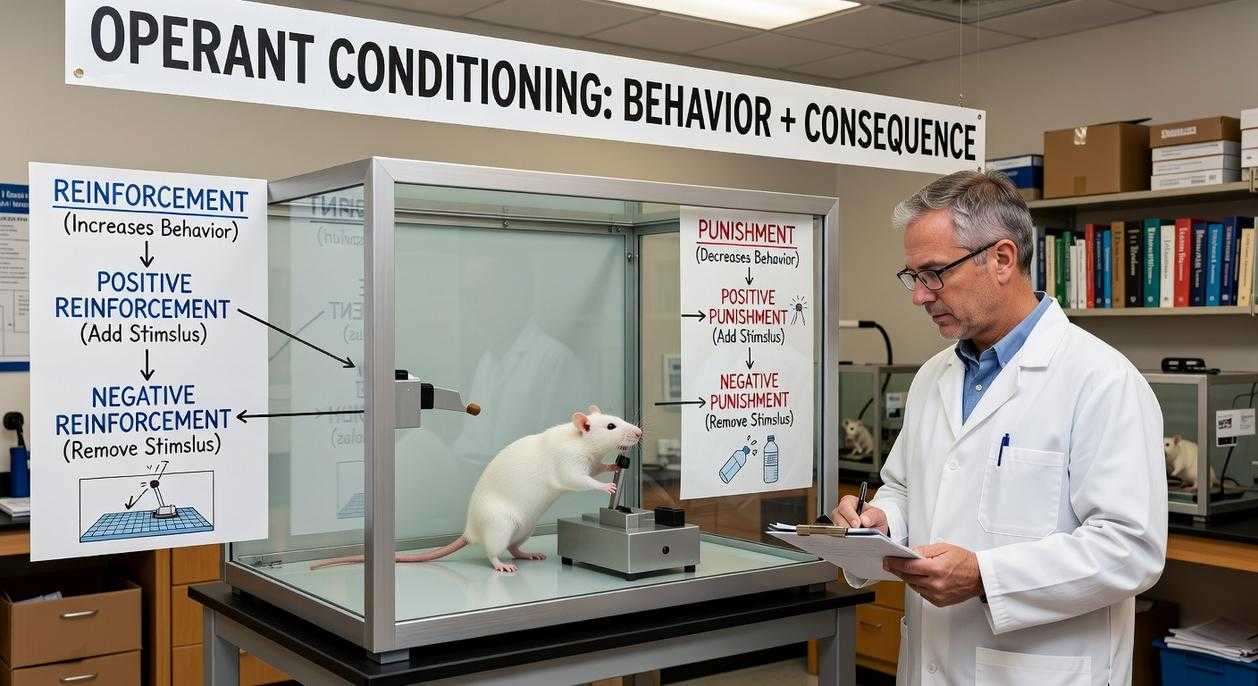
Positive reinforcement is the act of adding a desirable stimulus to increase the likelihood of a behavior happening again. In plain terms: you reward what you want repeated.
For example, praising a child for putting away one toy makes them more likely to clean up again in the future. According to behaviorist B.F. Skinner’s research, behaviors followed by rewarding consequences are more likely to recur (Skinner, 1953). That’s positive reinforcement science.
What It Isn’t
Some argue this is just bribery. It’s not. A bribe is offered before a behavior to stop something negative (“I’ll give you candy if you stop yelling”). Reinforcement happens after a desired behavior.
| Reinforcement | Bribery |
|—————|———-|
| Follows good behavior | Precedes unwanted behavior |
| Builds habits | Stops noise temporarily |
Others worry it’s permissive parenting. Actually, it works best with CLEAR, KIND boundaries (think Mary Poppins, not a free-for-all). You still address misbehavior—you just spotlight the good more often.
Pro tip: Catch small wins early. Momentum builds quietly, then suddenly (and beautifully).
The Brain Science: Why Encouragement Works Better Than Punishment
First, let’s look at what’s happening inside your child’s brain. When you praise effort or acknowledge good choices, you activate the brain’s reward center. This releases dopamine—a neurotransmitter that helps us feel pleasure and motivation. Dopamine is often called the “feel-good chemical,” but more accurately, it’s the “do-that-again” chemical. It creates a feedback loop: behavior → reward → desire to repeat. In other words, encouragement literally wires the brain for success. (Yes, it’s that powerful.)
Because of this positive reinforcement science, children begin to associate good behavior with positive feelings. Over time, something even better happens. They stop behaving well just for the sticker or praise. Instead, they develop an internal sense of pride and competence. Psychologists call this internal motivation—the drive that comes from within rather than from external rewards. And that’s the real win for parents: you’re raising a child who wants to do the right thing.
The foundation for this idea goes back to B.F. Skinner’s research on operant conditioning, which showed that behavior followed by a reinforcing stimulus is strengthened (Skinner, 1953). In everyday terms, what gets rewarded gets repeated.
On the other hand, punishment may stop behavior temporarily, but research shows it can increase fear and anxiety, often leading to secrecy or avoidance instead of genuine change (Gershoff & Grogan-Kaylor, 2016).
So what’s in it for you? More cooperation, less conflict, and a child building confidence that lasts far beyond childhood.
Putting Research into Practice: 3 Effective Reinforcement Techniques
When it comes to shaping behavior, clarity beats volume every time. Positive reinforcement science shows that behaviors followed by rewarding outcomes are more likely to be repeated. In other words, what you notice grows.
1. Action-Oriented Praise
Instead of a generic “Good job,” zoom in. Say, “I love how you shared your red crayon with your sister.” This highlights the exact behavior you want repeated. Specific praise tells a child what worked.
Why it matters: Children aren’t mind readers (even if they act like tiny masterminds). Naming the action builds awareness and confidence. Over time, this strengthens internal motivation because they understand what they did right.
Pro tip: Keep your tone warm and immediate—praise lands best within seconds of the behavior.
2. The Token Economy (Sticker Charts)
Sticker charts work best for short-term, clearly defined goals like potty training or cleaning up toys. A token economy is a system where children earn symbolic rewards (like stickers) that can be exchanged for a small prize.
Focus on effort, not just results. For example, reward “trying to use the potty” rather than only success. Then gradually phase it out by increasing expectations and replacing stickers with verbal praise. (Think training wheels, not a forever bike.)
3. Non-Tangible Rewards
Research consistently shows social reinforcers—like connection and attention—are often more powerful than material rewards (American Academy of Pediatrics, 2018). Extra one-on-one time, choosing the family movie, or an additional bedtime story reinforce behavior while deepening bonds.
If your goal is raising resilient kids in a fast paced world, connection-based rewards are especially powerful. They build skills and relationships at the same time—a win-win any parent can appreciate.
Sometimes it feels like you’re doing all the right things and… nothing. First, check your timing. For the brain to connect action and outcome, reinforcement must follow the desired behavior immediately—think seconds, not “after I finish this email.” Next, examine the reinforcer (that’s the reward meant to motivate). If your child doesn’t care about stickers, a gold star is just glittery wallpaper. Let them help choose. Meanwhile, stay consistent. Sporadic rewards confuse kids faster than changing Wi-Fi passwords. As positive reinforcement science shows, repetition builds neural pathways. So breathe, reset, and try again tomorrow. Progress takes practice and patience daily.
Now you have a clear understanding of why positive reinforcement science is a scientifically validated and effective tool for guiding your child’s behavior. More importantly, you know that moving away from the exhausting cycle of nagging and punishment is possible. Instead, you can build cooperation by strengthening your connection, because children repeat what earns attention. For example, if your child puts one toy away, notice it immediately. Then, this week, choose one specific behavior to encourage and praise every small step forward. Over time, those moments create a calmer, more connected family. Consistency turns small wins into lasting habits. Together.
You came here looking for practical, gentle ways to support your child’s growth—and now you have tools you can start using today. From small daily connection rituals to simple mindset shifts, you’re better equipped to handle the messy, beautiful reality of parenting with more confidence and less guilt.
The truth is, parenting can feel overwhelming when you’re exhausted, unsure, or second-guessing every decision. That frustration—the worry that you’re not doing “enough” or doing it “right”—is exactly what makes clear, compassionate guidance so powerful. When you lean into positive reinforcement science, build consistent routines, and respond with empathy, you’re not just managing behavior—you’re shaping lifelong emotional resilience.
Now it’s time to take action. Choose one strategy from this guide and apply it today. Then explore more of our trusted parenting insights designed to make your daily life easier and calmer. Families rely on our practical, research-backed advice to simplify motherhood and strengthen connection.
Keep Growing With Confidence
Your child doesn’t need a perfect parent—they need a present one. If you’re ready to reduce power struggles, nurture emotional strength, and create a more peaceful home, start implementing these gentle techniques now—and dive into our expert-backed resources to keep building the confident, connected family life you deserve.