
The hours after school can feel like a daily scramble—snacks, homework, screen time, chores, and meltdowns all competing for attention. If you’re searching for practical, realistic after school routine ideas, you’re likely looking for ways to bring more calm, structure, and connection into your afternoons without turning your home into a battleground.
This article is designed to help you create a routine that actually works for your family. We’ll explore simple, flexible strategies that support your child’s emotional well-being, encourage independence, and make space for rest and play. Whether you’re parenting a kindergartener who needs downtime or a tween juggling activities, you’ll find actionable tips you can start using today.
Our guidance is informed by child development research, gentle parenting principles, and real-life family experiences—so you can feel confident that the ideas shared here are both practical and grounded in what truly supports children’s growth and family harmony.
Predictable rhythm isn’t about preventing boredom; it’s about creating safety. After a mentally taxing school day, children crave cues that tell them, “You’re safe here.” A consistent entry routine, a familiar snack, and a predictable flow lower stress hormones, according to child development research. That sense of security frees up energy for connection and play.
The first 30 minutes matter most. Think of them as a decompression buffer:
- Shared snack
- “Tell me one thing” chat
Only then shift into homework or after school routine ideas.
Structure also builds independence. Offering structured choices like, “Would you like a puzzle or blocks?” gives control within clear limits. Fewer choices mean fewer power struggles. (Too many options overwhelm anyone.)
Some argue routines feel rigid. But predictability isn’t control; it’s comfort. When children know what comes next, they relax. And isn’t that the real goal after school? Calm homes grow resilient kids.
Creative, open-ended play isn’t just fun; it measurably supports cognitive growth. In fact, research from the American Academy of Pediatrics shows that imaginative play strengthens executive function and problem-solving skills. With that in mind, here are four simple activities that blend creativity with evidence-backed benefits.
First, try the “Curiosity Box” Challenge. Fill a weekly box with pipe cleaners, cardboard tubes, tape, and googly eyes, then offer one prompt: “Build a creature from another planet.” Because the materials are open-ended (meaning they can be used in countless ways), children practice divergent thinking—the ability to generate multiple solutions. That skill is strongly linked to later academic success.
Next, Story Stones Creation & Use turns storytelling into a tactile experience. On day one, paint simple images—sun, house, cat—onto smooth stones. On later days, pull a few from a bag and build a collaborative story. According to literacy studies, oral storytelling improves vocabulary and narrative sequencing, both critical for reading comprehension.
Meanwhile, a Themed Art Tray keeps creativity contained. By limiting supplies to one tray—watercolors or collage materials—you reduce decision fatigue (yes, kids feel it too). Fewer choices often mean deeper focus.
Finally, Audiobook & Doodle Time pairs listening with free drawing. Studies show audiobooks enhance listening comprehension and imagination, especially when paired with low-pressure art.
If you’re exploring after school routine ideas, these activities balance structure with freedom—like giving kids a stage, not a script.
Active & Outdoor Explorations
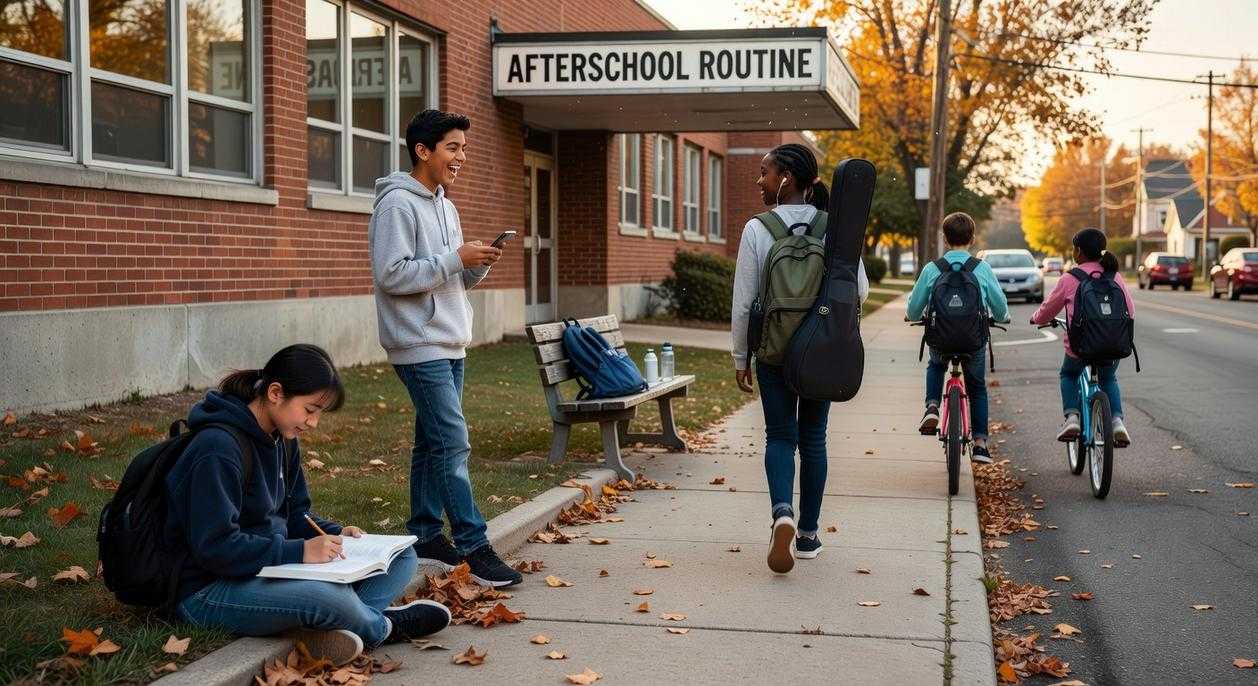
Sometimes the simplest outdoor activities create the biggest impact. While some parents argue structured sports are the only “real” way to keep kids active, unstructured exploration builds creativity, resilience, and sensory awareness (the kind that doesn’t require a whistle and a schedule).
First, try a Neighborhood Sensory Walk. Give your child a mission: find five different textures, identify three bird calls, or spot every color of the rainbow. Sensory awareness—the ability to notice and process sights, sounds, and textures—supports cognitive development (Harvard Center on the Developing Child). For example, challenge them to compare rough bark to smooth stones. Suddenly, an ordinary sidewalk feels like a discovery channel episode.
Next, set up a Backyard Obstacle Course. Use pillows for jumping, boxes for crawling, and pool noodles for balance. Time each run to build coordination and confidence. Pro tip: let your child redesign the course to encourage ownership.
Then, organize Nature’s Treasure Hunt with a picture list: smooth rock, Y-shaped stick, yellow leaf, feather. This encourages observation skills without screens.
Finally, create a DIY Bubble Station using dish soap, water, and glycerin. Craft wands from string and sticks for giant bubbles.
For consistency, fold these into your after school routine ideas or pair them with creative ways to encourage responsibility at home.
Quiet & Mindful Wind-Downs
Evenings feel smoother when kids have a calm landing zone. Start by building a cozy corner together. First, choose a quiet spot. Next, invite your child to gather pillows, blankets, and a few favorite books. Finally, let them arrange everything their way. Giving ownership increases the likelihood they will actually use it (kids love what they help create).
Meanwhile, try a Mindful Listening Game. Set a timer for one minute. Sit silently and focus only on sounds. When the timer ends, take turns sharing what you heard: a clock ticking, a car passing, even your own breathing. This simple practice strengthens attention and emotional regulation.
For hands-on calm, create a Puzzle Power Hour. Dedicate a small table to an ongoing jigsaw puzzle. Family members can add pieces throughout the week, making it a low-pressure way to connect.
You can also set up a small “Zen Garden” tray with sand, a tiny rake, and smooth stones. Encourage slow, gentle movements. Sensory play like this supports self-soothing skills.
If you’re exploring after school routine ideas, weave one of these rituals in consistently. Over time, these quiet anchors help evenings feel steady and predictable for the whole family dynamic.
Make Calm, Connected Afternoons Your New Normal
You came here looking for practical, realistic ways to make your afternoons smoother—and now you have a clear path forward. With the right after school routine ideas, you can turn chaos into calm, reduce daily power struggles, and create more meaningful moments with your child.
The truth is, those overwhelming after-school hours aren’t just exhausting—they can leave you feeling stretched thin and second-guessing yourself. But with a gentle, consistent structure in place, you’re not just managing behavior—you’re building security, confidence, and connection.
Now it’s your move. Choose one or two strategies and try them this week. Keep it simple. Stay consistent. Adjust as needed.
If you’re ready for calmer evenings, fewer meltdowns, and routines that actually work, explore more proven parenting tips and supportive strategies designed to make everyday family life easier. Start today—and feel the difference tomorrow.