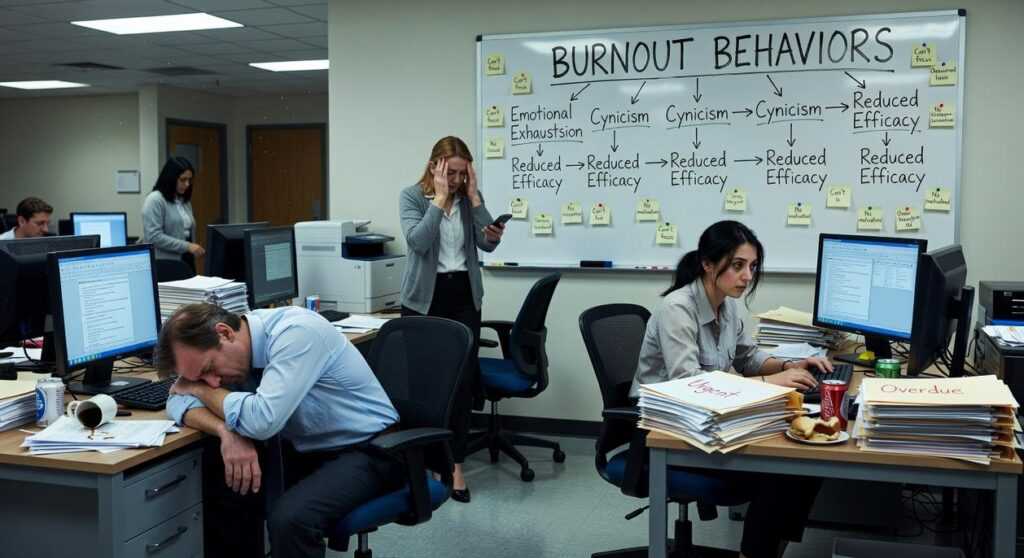
If you’ve been feeling constantly exhausted, emotionally drained, or unusually irritable around your children, you may be searching for answers about parental burnout symptoms—and wondering whether what you’re experiencing is normal. This article is designed to help you clearly identify the signs of parental burnout, understand why it happens, and learn practical, gentle strategies to recover without guilt or shame.
Parenting today comes with relentless pressure, and burnout can creep in quietly. Here, you’ll find research-informed insights on the emotional, mental, and physical indicators to watch for, along with realistic support strategies that fit into everyday family life. We’ve reviewed current psychological findings and evidence-based parenting approaches to ensure the guidance shared is both compassionate and credible.
If you’re looking for clarity, reassurance, and actionable steps to feel like yourself again, you’re in the right place.
More Than Just Tired
Every parent feels exhausted; however, constant depletion is different. Ordinary tiredness fades after rest. Caregiver fatigue lingers, reshaping your mood, patience, and even your sense of identity. In fact, research links chronic stress in parents to risks of anxiety and depression (APA, 2023).
So what’s the difference? Parental burnout symptoms include emotional numbness, irritability, withdrawal from your children, and guilt. Meanwhile, many guides stop there. We go further—highlighting red flags like loss of joy, resentment toward routine, and fantasizing about escape (yes, loving parents think this).
Because recognizing the signs early protects your health and family long before crisis hits.
Increased irritability and anger often arrive quietly. One day, a spilled glass of milk or a misplaced toy triggers an outsized reaction, and suddenly you’re the parent with the short fuse. While many articles mention frustration, few unpack how chronic stress rewires emotional thresholds—research shows prolonged stress elevates cortisol, lowering patience reserves (APA).
Meanwhile, feelings of apathy or detachment can feel even more unsettling. You move through bedtime routines and lunchboxes, yet the spark seems dimmed. This isn’t a failure of love; rather, it’s a protective numbness your brain adopts when overloaded.
At the same time, persistent anxiety and overwhelm keep you constantly on edge, scanning for danger or parenting missteps. Unlike typical worry, this mental static rarely powers down, leading to exhaustion that mirrors parental burnout symptoms.
Then, there’s the quiet grief of identity loss. Conversations revolve solely around snacks and schedules, and hobbies gather dust. Competitors often stop at self-care tips, but reclaiming selfhood starts smaller: five uninterrupted minutes daily to read, stretch, or simply breathe. Over time, these micro-rituals rebuild connection—to your child and, just as importantly, to yourself. Small shifts compound, restoring patience and moments of genuine joy. That renewal is both possible and practical. Today.
Physical Symptoms: How Your Body Sends an SOS
Sometimes your body whispers before it screams. Chronic exhaustion that sleep doesn’t fix is often the first clue. This isn’t ordinary tiredness after a late-night Netflix binge. It’s bone-deep fatigue that lingers even after eight solid hours. In medical terms, this kind of persistent fatigue signals prolonged stress activation in the nervous system (American Psychological Association).
Then there are changes in sleep patterns. You might experience insomnia—lying awake while your brain replays tomorrow’s to-do list—or hypersomnia, where you could nap anywhere, anytime. Both are signs your stress response is out of balance. Ironically, the more exhausted you feel, the harder real rest becomes.
Meanwhile, lowered immunity can follow. Chronic stress increases cortisol, which suppresses immune function (Cleveland Clinic). If you’re catching every cold your child brings home, your body may be waving a red flag.
Unexplained aches and pains are another signal. Tension headaches, tight shoulders, or stomach issues without a clear diagnosis often reflect stored stress. These parental burnout symptoms can feel confusing because nothing seems “medically wrong.”
So what’s next? Start tracking patterns—sleep, mood, illness frequency—and explore supportive strategies like those in how to balance career and motherhood without guilt. Early awareness turns an SOS into a course correction.
Behavioral Clues: How Burnout Changes Your Actions

Burnout rarely announces itself loudly. Instead, it sneaks into your behavior.
Social Withdrawal and Isolation
You start canceling plans. Texts go unanswered. Even coffee with a close friend feels like climbing a mountain. Social withdrawal is one of the quieter parental burnout symptoms, and it often shows up as “I just don’t have the energy.”
Try this:
- Schedule one low-effort connection per week (a walk, not a dinner party).
- Tell a friend upfront: “I’m low-energy, but I still want to see you.”
Lower the bar. Showing up imperfectly still counts.
Neglecting Personal Needs
Skipping meals. Abandoning workouts. Dry shampoo becoming a lifestyle. When overwhelm spikes, self-care feels optional (it’s not).
Reset in 3 steps:
- Drink a full glass of water.
- Eat something with protein.
- Step outside for five minutes.
Small physical resets often create mental clarity.
Increased Reliance on Coping Crutches
Extra caffeine. Endless scrolling. A nightly glass of wine that quietly becomes two. These habits numb rather than restore.
Swap one crutch for a micro-ritual: herbal tea, stretching during screen time, or a 10-minute audiobook break.
Escapist Fantasies
If you frequently imagine running away or starting over, that’s a signal—not a failure. Instead of judging it, ask: What specific pressure do I want relief from? Then adjust one demand this week.
Why It Happens: Understanding the Roots of Parental Fatigue
Modern parenting often feels like an Always-On performance. Social media feeds showcase color-coded lunches, spotless homes, and smiling toddlers, subtly suggesting you should be constantly available and endlessly patient. However, real life is messier.
Beyond the visible tasks, there’s the invisible workload: tracking appointments, planning meals, remembering shoe sizes, and monitoring everyone’s emotional temperature. This mental load—defined as the cognitive effort of managing a household—rarely clocks out.
Meanwhile, many families lack a built-in village. Without grandparents nearby or trusted neighbors, the responsibility rests squarely on two, or even one, set of shoulders.
Then, internal guilt whispers, “I should handle this.” Consequently, parents ignore early parental burnout symptoms and avoid asking for help. Think of it like running a marathon at Marvel-hero speed.
Instead, start small: share calendars, delegate one task, and schedule rest. Pro tip: treat support like maintenance, not weakness.
Recognizing these signs is not a sign of failure, but a courageous act of self-awareness and self-care for your entire family’s well-being. When you notice parental burnout symptoms, you are gathering data, not handing yourself a verdict. In fact, ignoring them only deepens exhaustion and makes it harder to connect with your children or enjoy the small moments of motherhood.
So, start with acknowledgment. Say it out loud: “I’m overwhelmed.” Naming your experience calms the nervous system and clarifies your next step. Then, choose one small act of self-compassion today. For example, ask for 15 minutes alone, say “no” to a non-essential task, or text a friend, “I’m struggling.” If it helps, write it down and circle the action you’ll take.
Afterward, notice how that boundary shifts your energy. Small steps build resilience (like muscle memory). For more grounded strategies, explore gentle parenting. You deserve support and steady joy too.
Reclaim Your Energy and Joy in Parenthood
You came here looking for clarity, reassurance, and real solutions—and now you have them. You understand what fuels parental burnout symptoms, how they quietly build up, and what gentle, practical shifts can restore balance in your daily life.
The overwhelm, exhaustion, and guilt don’t mean you’re failing. They’re signals that you’ve been carrying too much for too long. Ignoring parental burnout symptoms only deepens the fatigue—but addressing them with small, consistent changes can transform your home and your well-being.
Now it’s time to act. Start with one boundary. One moment of rest. One supportive routine that gives back to you instead of draining you. Small steps create sustainable change.
If you’re ready to move from survival mode to steady, confident parenting, explore more of our trusted, practical resources designed specifically for overwhelmed parents. Thousands of families rely on our proven guidance to reduce stress and build calmer homes.
Don’t wait until burnout takes over. Start today and give yourself the support you deserve.