Parenting advice is everywhere—but practical, realistic guidance that actually fits into your daily routine is harder to find. If you’re looking for simple parenting tips, gentle parenting strategies, and creative childcare hacks that make family life smoother (not more complicated), you’re in the right place. This article is designed to meet that need directly, offering actionable ideas you can use right away—from supporting motherhood wellness to turning chores into learning moments that build responsibility and confidence.
We’ve carefully reviewed current child development research, insights from pediatric experts, and real-world parenting experiences to ensure the advice shared here is thoughtful, balanced, and genuinely helpful. Instead of overwhelming you with theory, we focus on practical solutions that nurture connection, encourage curiosity, and make everyday routines more meaningful.
Whether you’re navigating toddler tantrums, building positive habits, or simply looking for fresh inspiration, you’ll find supportive, research-informed guidance tailored to modern family life.
Every parent knows the tug-of-war: dishes pile up while your child asks to play. It can feel like chores steal time from REAL learning. Many parents carry guilt, believing cooking or laundry is wasted time.
Here’s the clarification: children learn through participation. In child development, this is called experiential learning—gaining skills by doing, not just listening. When kids sort socks, measure rice, or wipe tables, they practice math, motor coordination, and responsibility.
This guide reframes routines as opportunities for turning chores into learning moments.
| Task | Skill Built |
| Sweeping | Coordination |
| Cooking | Math |
The Kitchen Classroom: Cooking Up Skills Beyond the Recipe
The kitchen isn’t just where dinner happens; it’s where everyday lessons quietly unfold. When kids help cook, they’re not just passing time—they’re practicing practical life skills in ways that actually stick.
First, let’s talk about math. Recipes naturally introduce counting (3 eggs), sequencing (first mix the dry ingredients, then add the wet), and fractions (½ cup of flour). Fractions, simply put, are parts of a whole—and measuring cups make that concept visible. When a child fills a half-cup twice to make one full cup, they see math in action. If your child struggles with abstract numbers, this hands-on approach can make concepts click.
Next comes science. Cooking is essentially a delicious experiment. Melting butter shows a change in states of matter—from solid to liquid. Baking soda reacting with vinegar demonstrates a chemical reaction, meaning two substances combine to form something new (that fizz is carbon dioxide gas). Even asking where carrots grow introduces basic biology and food origins. What better way to explore science than by watching it bubble in a bowl?
Meanwhile, literacy grows too. Reading recipes together builds comprehension and sequencing skills. New words like “whisk” (to beat rapidly) or “sauté” (to cook quickly in a small amount of oil) expand vocabulary. Describing flavors—sweet, tangy, crunchy—strengthens expressive language.
Finally, don’t overlook motor development. Stirring, kneading, pouring, and sprinkling refine fine motor skills—the small muscle movements needed for handwriting and coordination later on.
In short, the kitchen transforms routine tasks into growth opportunities, quietly turning chores into learning every single day.
The Laundry Lab: Sorting, Science, and Sensory Play
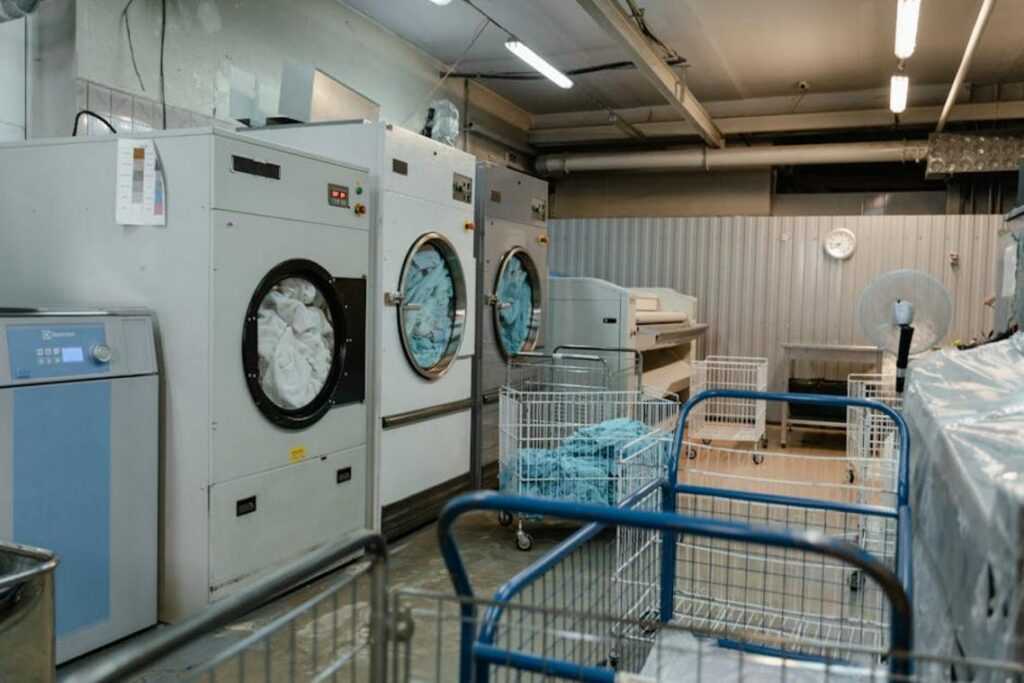
Laundry isn’t just a chore—it’s a mini classroom hiding in plain sight. I recommend starting with sorting, because classification is a foundational math skill. Ask your child to group clothes by color, by family member, or by type (shirts, pants, socks). They’re practicing categorization—the ability to group items based on shared traits—which supports early math and reading development (National Association for the Education of Young Children).
Next, invite sensory exploration. Let them feel the difference between a soft cotton tee and a fuzzy sweater. Notice the hum of the washer, the warmth of fresh towels, the scent of detergent. Sensory play strengthens neural pathways in young children (Harvard Center on the Developing Child). This is learning disguised as laundry.
I also suggest teaching responsibility early. Show them care labels and explain that symbols communicate washing instructions—a form of visual literacy. Talk about why hot water can shrink fabrics (heat tightens fibers) and how soap lifts dirt through chemical reactions between molecules. That’s cause and effect in action.
If you’re focused on turning chores into learning, pair laundry time with your existing routines, like these morning routine hacks to start your familys day smoothly. Pro tip: give toddlers their own small basket—it builds ownership (and cuts complaints in half).
Gardening and Yard Work: Cultivating Curiosity Outdoors
First of all, gardening is biology you can touch. Instead of reading about photosynthesis (how plants turn sunlight into energy), children see it happen. They plant a seed, add water, place it in sunlight, and watch the life cycle unfold. Along the way, they discover what plants need—sun, water, soil—and why bees pollinate flowers while worms enrich the earth. In other words, it’s science without the worksheet. The benefit? Lessons stick because they’re experienced, not memorized.
Just as importantly, gardening fosters patience and nurturing. Growth doesn’t happen overnight (despite what time-lapse videos suggest). Kids learn that consistent care leads to results. That understanding builds resilience, empathy, and pride—skills that transfer far beyond the backyard.
Meanwhile, all that digging, raking, and hauling watering cans strengthens gross motor skills. These large muscle movements improve coordination and balance, giving children both physical confidence and a healthy outlet for energy.
Finally, yard work opens the door to environmental awareness. Composting teaches waste reduction. Tracking rainfall introduces weather patterns and seasons. Conserving water shows responsibility in action. It’s about turning chores into learning—and giving children lifelong tools for curiosity, care, and capability.
The Tidy-Up Toolkit: Organizing Minds and Spaces
Tidying up is more than clearing clutter; it’s a quiet masterclass in spatial reasoning. When children figure out how blocks fit into bins or why books stand better upright, they’re learning about size, proportion, and logic. In other words, they’re solving mini engineering puzzles (yes, even if the room still looks questionable afterward). I recommend using clear containers so kids can see how objects relate to space.
Next, try a simple keep, donate, or toss exercise. This builds decision-making skills by forcing thoughtful choices. Ask guiding questions like, “Do you use this?” or “Does it still fit?” Over time, prioritizing becomes second nature.
To introduce time management, set a five-minute timer and make it playful. Turning chores into learning helps children connect effort with results.
Finally, encourage ownership. When kids care for their own space, they build responsibility, pride, and respect for their belongings—and that confidence carries well beyond their bedroom.
Everyday moments, extraordinary learning doesn’t require flashcards or perfectly planned lessons. In fact, some of the most meaningful growth happens while folding laundry, measuring rice, or sorting socks. These routines teach math, language, responsibility, and cooperation in real time. So, instead of carrying guilt about not doing enough, recognize that you’re already building life skills and trust. Moreover, turning chores into learning strengthens connection and creates a cooperative home rhythm. This week, choose just one chore and add questions, encouragement, and shared problem-solving. You’ll nurture competence and closeness at the same time. Small shifts create lasting impact over time. Together.
Parenting doesn’t come with a manual—but now you have practical, gentle strategies you can use right away. From simplifying daily routines to creating meaningful connection, you’ve seen how small, intentional shifts can ease stress and bring more joy into your home.
You came here looking for realistic parenting tips that actually fit into busy days. Now you know that growth happens in everyday moments—especially when you start turning chores into learning opportunities that build skills, confidence, and independence.
The challenge most parents face isn’t lack of love—it’s lack of time and energy. When you’re overwhelmed, even simple tasks can feel exhausting. That’s why having easy, child-friendly systems in place makes all the difference.
Make Everyday Moments Count
Start small. Pick one routine today—laundry, tidying up, meal prep—and invite your child to participate with curiosity instead of pressure. Stay consistent, keep it playful, and watch how quickly cooperation replaces resistance.
If you’re ready for calmer days, smarter childcare hacks, and gentle parenting tools that truly work, explore more of our trusted resources—loved by thousands of modern parents. Dive in now and discover how to make parenting feel lighter, not harder.