
If you’re searching for practical family command center ideas, you’re likely looking for a better way to organize schedules, school papers, meal plans, and the daily chaos that comes with family life. This article is designed to help you create a streamlined, functional space that keeps everyone on the same page—without adding more stress to your routine.
We’ve researched proven organization strategies, consulted child development resources, and analyzed real-life home management systems used by busy parents to bring you solutions that are both simple and sustainable. Whether you live in a small apartment or a full house, you’ll find ideas that fit your space and your lifestyle.
From must-have components to clever storage hacks and layout tips, this guide walks you through exactly how to set up a command center that works for your family—so mornings feel calmer, communication improves, and nothing important slips through the cracks.
Creating Your Family’s Calm Command Center
Every family knows the daily chaos: school papers multiplying, overlapping appointments, and the eternal question, “What’s for dinner?” Over time, this clutter becomes a mental load, meaning the invisible task of remembering, planning, and anticipating everyone’s needs. When one person carries it all, stress and burnout follow. A central hub offers clarity. It is more than a calendar; it is a shared system for communication, responsibility, and routine. Think of it as your home’s dashboard (yes, like mission control). family command center ideas can include:
- a schedule, meal plan, and drop zone for papers.
The First Decision: Choosing Your Hub’s Foundation
I still remember the Sunday afternoon I realized our kitchen counter had officially become our “system.” Permission slips buried under grocery receipts, a dentist reminder somewhere in the chaos—it was not our finest parenting moment. That was when we started exploring family command center ideas and chose a foundation that actually fit our life.
The Physical Hub (The Classic Command Center)
First, the physical hub. This is a dedicated wall space with a whiteboard, corkboard, and a large calendar. Think of it as mission control—minus the NASA budget. It works beautifully for families with younger kids because visual cues build executive functioning skills (the brain’s ability to plan and prioritize). Color-coded markers for each family member, clips for school papers, and a bold week-at-a-glance calendar make expectations visible.
Some argue paper systems are outdated. And sure, you can’t “ping” a corkboard. But for early readers and routine-building? Tangible wins.
The Digital Hub (The Pocket Command Center)
Then there’s the digital hub: shared tools like Google Calendar, Cozi, or Trello. These apps sync schedules, grocery lists, and to-dos in real time. For families with teens or unpredictable work hours, access on the go is invaluable. Automated reminders reduce mental load (and marital debates about who forgot soccer practice).
Critics say screens add distraction. Fair point. Yet when used intentionally, they prevent double-bookings and last-minute scrambles.
The Hybrid Approach: The Best of Both Worlds
Ultimately, we landed on a hybrid. A physical weekly board anchors our home, while a digital calendar manages long-term appointments. It’s flexible, visible, and realistic—kind of like parenting itself (organized chaos, but make it functional).
The Core Components: What Every Family Hub Needs
If you’re setting up a home organization system, don’t overcomplicate it. Start with the essentials and build from there. The best setups are practical, visible, and easy for everyone to use (yes, even the forgetful ones).
A Single Source of Truth: The Master Calendar
First and foremost, create one central calendar. This is your “single source of truth”—meaning one official place where all appointments, school events, holidays, and practices live. When information exists in multiple places, double-bookings happen. Keep it centralized.
Recommendation: Mount a large wall calendar in a high-traffic area like the kitchen. Assign each family member a color so activities are readable at a glance. It’s simple, but it works.
The “What’s for Dinner?” Solution: Meal Planning & Groceries
Next, eliminate daily decision fatigue (the mental drain from making repeated small choices). Post a weekly meal plan where everyone can see it.
Recommendation: Add a whiteboard strip for a running grocery list so anyone can jot things down immediately. Fewer last-minute store runs, fewer 5 p.m. meltdowns.
The “In & Out” Zone: Taming the Paper Clutter
Paper piles multiply fast. Create labeled trays: “To Sign,” “To Do,” and “To File.” This system gives every paper a home and keeps counters clear.
The Information Station: Key Contacts & Data
Finally, dedicate space for emergency numbers, babysitter info, and Wi-Fi passwords. In urgent moments, speed matters.
These simple family command center ideas keep your household running smoothly—and that’s the real win.
Bringing It to Life: A Gentle Guide to Getting Everyone on Board
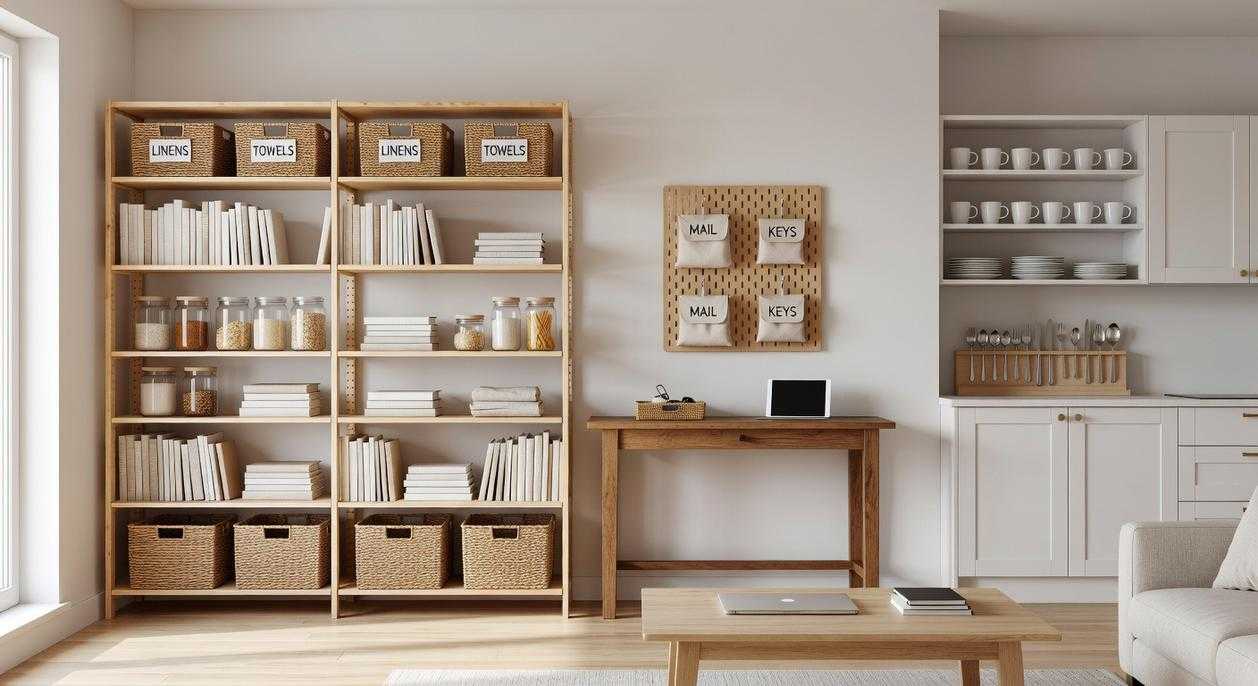
First, hold a team huddle—not a lecture. Position the hub as a shared solution, not a top-down rulebook. In other words, invite collaboration. Ask simple questions like, “What would make mornings easier?” or “What do we keep forgetting?” When kids help design the system, they’re far more likely to use it (ownership is powerful). If you’re exploring family command center ideas, start by letting everyone vote on what belongs there.
Next, start small to win big. I strongly recommend launching with just the calendar. A family hub—a central spot for schedules, reminders, and plans—works best when it feels manageable. Once the calendar becomes routine, layer in a meal planner. Gradual adoption prevents overwhelm and builds confidence.
Then, create a weekly rhythm. Set aside 15 minutes every Sunday evening to update everything together. Think of it as a reset button for the week ahead. Consistency turns tools into habits.
Finally, focus on positive reinforcement. Celebrate the wins: “I’m so glad we added that appointment!” Positive feedback strengthens behavior (and keeps morale high).
For even more practical strategies, explore these time saving childcare hacks for working parents.
Once you’ve set up the essentials, it’s time to personalize your hub. Start with a “Wins & Gratitude” section so everyone records one bright spot each week; over time, this builds emotional awareness and resilience. Next, add a “Curiosity Corner” with sticky notes for questions—then schedule a mini research night together (yes, even about dinosaurs again). For accountability, create a clear chore and allowance tracker that visually shows progress. Finally, post a family motto or quote of the week to guide behavior. These family command center ideas turn organization into connection. Why settle for functional when it can be meaningful?
From Chaos to Connection: Your Hub’s True Purpose
Now that you have a clear blueprint, let’s zoom out for a second. The real problem was never the messy counter—it was the invisible mental load (the ongoing task of tracking everyone’s schedules, needs, and reminders in your head). A hub shifts that burden from one overwhelmed parent to the whole family.
Some argue digital apps are enough. However, unlike forgotten notifications, a visible system builds daily accountability and teamwork. That’s where most advice stops short.
By using practical family command center ideas, you’re not just organizing—you’re teaching shared responsibility (think less “Where’s my cleats?” and more teamwork montage). Start small. One step today changes everything.
Bringing Calm and Clarity Back to Your Home
You came here looking for practical ways to create more structure, less stress, and smoother days for your family. Now you have simple strategies you can use immediately—from organizing schedules to creating routines that actually stick.
When the mental load feels overwhelming and everyone is asking, “What’s next?” at the same time, the real pain isn’t just clutter—it’s chaos. A clear plan and smart systems, like using family command center ideas, turn confusion into confidence and help your household run with less friction.
Here’s your next step: choose one idea from this guide and set it up this week. Start small, stay consistent, and build from there. Thousands of parents are already transforming their daily routines with these proven, practical strategies—now it’s your turn.
Take action today and create the calm, connected home your family deserves.