If you’re searching for the best parenting books to read, you’re likely looking for more than just a list of titles—you want guidance you can trust, practical advice that works in real life, and reassurance that you’re making informed choices for your family. With so many parenting resources available, it can be overwhelming to know which books truly offer evidence-based insights and which simply repeat outdated ideas.
This article is designed to simplify that search. We’ve carefully reviewed highly recommended titles, considered expert opinions from child development specialists, and evaluated reader feedback from parents who have applied these strategies at home. The result is a thoughtfully curated guide that highlights books offering actionable advice on gentle parenting, emotional resilience, communication, and everyday childcare challenges.
Whether you’re navigating toddler tantrums, school-age struggles, or simply hoping to strengthen your connection with your child, this guide will help you choose the right reads with confidence.
Parenting advice is everywhere—blogs, podcasts, social feeds—yet many parents report feeling more anxious than informed. In fact, a 2023 Pew Research study found that 62% of parents feel overwhelmed by conflicting guidance. So how do you choose wisely?
The answer isn’t more information. It’s better curation.
This guide to the best parenting books to read draws on child development research, attachment theory, and real-world case studies to spotlight resources that are:
• Evidence-based and practical
• Compassionate and connection-focused
You’ll find categorized recommendations tailored to your child’s stage, so you can move forward with clarity—not confusion.
The Foundation: Books on Connection and Gentle Discipline
If you want calmer days and fewer power struggles, start with the “why” behind your child’s behavior. Meltdowns, backtalk, and defiance don’t come out of nowhere (even if it feels that way in the cereal aisle). They’re signals. The following titles are among the best parenting books to read if you’re committed to connection over control.
1. The Whole-Brain Child
This book breaks down brain development in simple, practical terms. You’ll learn how the emotional and logical parts of a child’s brain develop at different speeds—and why expecting instant self-control is unrealistic. The real value? Actionable strategies you can use during tantrums and big feelings. Instead of shutting behavior down, you guide your child toward integration and regulation. Pro tip: visualize “connect and redirect” before correcting—it changes everything.
2. How to Talk So Kids Will Listen & Listen So Kids Will Talk
If you’ve ever repeated yourself five times and still been ignored, this one’s for you. It offers concrete language swaps that foster cooperation without threats or bribes. Acknowledge feelings. Offer choices. Invite problem-solving. These tools build mutual respect and reduce defensiveness (yes, even with strong-willed kids).
- Focus on describing the problem instead of attacking the child.
3. Unconditional Parenting
This book challenges reward-and-punishment systems, urging a shift from “doing to” children toward “working with” them. The emphasis is on understanding unmet needs rather than controlling outcomes. It’s a mindset shift—but one that builds lasting trust and intrinsic motivation.
Navigating the Early Years: Infants and Toddlers
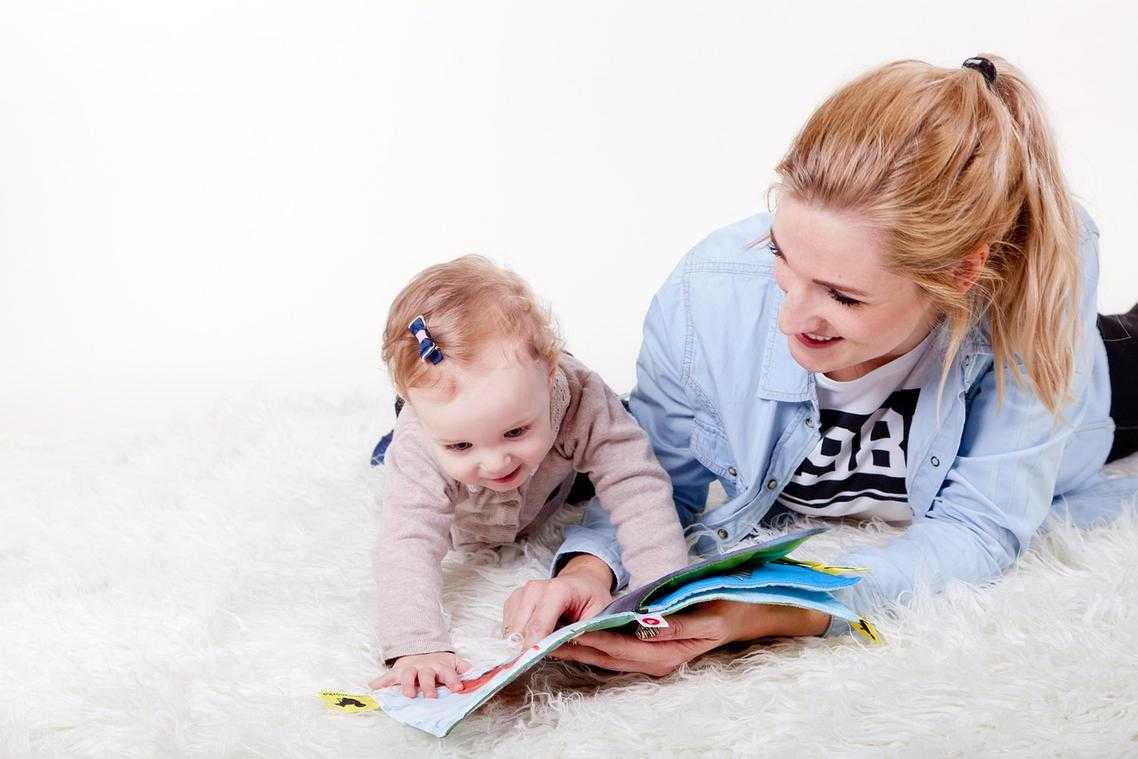
The 0–3 stage is BEAUTIFUL, exhausting, and wildly misunderstood. One minute you’re staring at a sleeping newborn in awe; the next, you’re pacing the hallway at 3 a.m., questioning every life choice (yes, we’ve all been there). Sleep struggles and toddler meltdowns aren’t signs you’re failing—they’re development in action.
Soothing, Boundaries, and Rethinking Control
One book I always recommend to new parents is The Happiest Baby on the Block. Its “5 S’s” technique—swaddling, side/stomach positioning (for calming, not sleep), shushing, swinging, and sucking—taps into what’s often called the “fourth trimester,” the idea that newborns still crave womb-like sensations (Karp). I’ve seen these steps turn full-volume crying into calm within minutes. Pro tip: practice the shushing sound confidently; hesitation rarely works.
When babies become toddlers, many parents pivot to punishment charts or time-outs. I’m not a fan. No Bad Kids: Toddler Discipline Without Shame argues for firm, respectful boundaries. Toddlers aren’t masterminds plotting chaos; they’re impulsive learners. Seeing them as capable shifts everything.
Then there’s Hunt, Gather, Parent, which challenges the hyper-parenting culture many of us swim in. Drawing from cross-cultural research, it shows how involving toddlers in real tasks builds confidence and cooperation (Doucleff). Honestly, I find this perspective refreshing in a world obsessed with constant entertainment.
Some argue strict discipline early prevents problems later. I disagree. Connection first, correction second—that’s what actually sticks.
If you’re exploring the best parenting books to read, also check out fascinating milestones what most parents dont know about growing up. Understanding development makes the chaos feel purposeful—and far less personal.
Caring for the Caregiver: Books for Parental Wellness
Shift the focus back to you. When you’re running on fumes, snapping over spilled milk (again), and Googling “why am I so overwhelmed,” it’s a sign your nervous system needs support. A calm parent isn’t a luxury; it’s the foundation of a steady home.
Good Moms Have Scary Thoughts speaks directly to the intrusive thoughts many parents are ashamed to admit. Instead of whispering “what’s wrong with me?” you realize these fears are common and treatable. That validation alone can feel like exhaling. It also offers practical exercises to ground you when anxiety spikes at 2:00 a.m. (because of course it does).
Simplicity Parenting tackles another huge frustration: the endless clutter, overbooked calendars, and noisy toys that somehow multiply overnight. It argues that less truly is more, encouraging you to:
- Reduce overscheduling
- Declutter physical spaces
- Create predictable rhythms
Skeptics say kids need constant enrichment to thrive. But overstimulation often fuels meltdowns and parental burnout. Simplifying isn’t neglect; it’s protection.
If you’re searching for the best parenting books to read, start here. When you feel supported, your whole household feels it, too. And that shift changes everything for everyone involved. In your family. Today.
Building Your Parenting Bookshelf, One Step at a Time
The goal is not to read every book, but to find the right guide for your current season. Feeling overwhelmed by conflicting advice is often the real hurdle. When one expert says “sleep train” and another insists “never let them cry,” it’s easy to freeze. First things first: you don’t need all the answers—just the next helpful one.
Think of it as A vs B. Option A: stack every recommendation from the best parenting books to read on your nightstand and try to apply them at once. Option B: choose one voice that aligns with your child’s age and your biggest challenge, then implement it consistently. The difference? Clarity over chaos. Depth over noise.
In other words, building your shelf means:
- Focusing on connection before correction
- Comparing philosophies side-by-side instead of blending them blindly
- Starting with the book that addresses sleep, tantrums, or communication—whatever feels urgent
Admittedly, some parents argue you should research everything before committing. That’s fair. Yet parenting is a marathon, not a cram session. Progress happens step by step.
So today, pick one title that meets your biggest need and start. Let rest wait. One step counts.
Ready to Grow with Confidence as a Parent
You came here looking for clarity—guidance you can trust while navigating the overwhelming world of parenting advice. Now you have a clearer path forward, along with practical direction you can actually use in everyday life.
Parenting can feel heavy. The second-guessing. The endless opinions. The quiet worry that you’re not doing enough. But with the right tools and resources—like exploring the best parenting books to read—you equip yourself with wisdom that turns confusion into confidence.
Don’t let overwhelm dictate your parenting journey. Take action today. Start building your personalized reading list, apply one new strategy this week, and commit to small, consistent growth.
If you’re ready for calm, confident parenting rooted in proven guidance, explore our trusted resources and curated recommendations now. Thousands of parents rely on our insights to simplify their journey—join them today and take the next step toward the peaceful, empowered home you deserve.