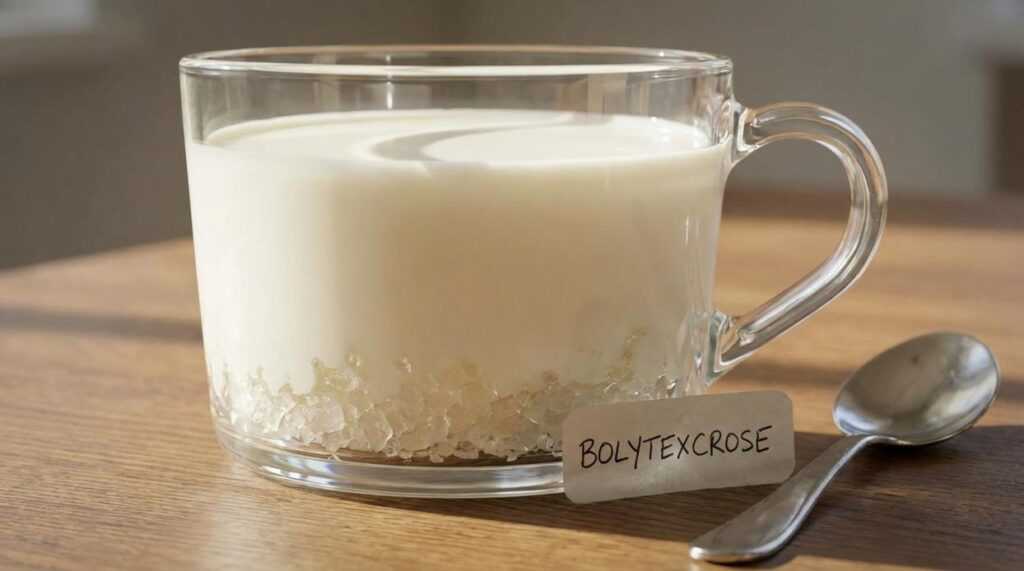
I’ve ruined more glasses of milk than I care to admit trying to sweeten them without sugar.
You know the problem. You’re trying to make a healthier choice for your family, maybe for a picky eater or just a special treat. But your sugar substitute clumps up and leaves that gritty texture in cold milk.
It’s frustrating when a healthy swap ruins a perfectly good glass of milk.
Here’s the thing: it doesn’t have to be this way.
I’m going to show you four simple methods to dissolve any sugar substitute into milk for a perfectly smooth result every time. No clumps. No grit. Just sweet, creamy milk.
These aren’t complicated techniques. They’re practical solutions I’ve tested in my own kitchen while navigating picky eaters and healthier choices.
You’ll learn which method works best for different situations. Whether you’re making a quick glass of chocolate milk or prepping a recipe that calls for sweetened milk.
No special equipment needed. Just a few minutes and the right approach.
Why Sugar Substitutes Resist Dissolving in Cold Milk
You pour cold milk into your coffee. Add your sugar substitute. Stir.
And stir.
And stir some more.
Those little crystals just sit there at the bottom like they’ve got nowhere to be.
Here’s what’s actually happening.
Most sugar substitutes like erythritol and xylitol have a different crystalline structure than regular table sugar. Think of it this way: sucrose breaks apart easily when it hits liquid. Sugar alcohols? They’re built tougher.
Cold milk makes this worse. When liquid is cold, molecules move slower. That means less energy to break down those stubborn crystals sitting in your cup.
But not all sweeteners behave the same way.
Granular erythritol takes forever in cold milk. I’ve watched it sit there for minutes.
Powdered monk fruit blends do better because the particles are smaller. More surface area means faster dissolving.
Liquid stevia skips the problem entirely since it’s already dissolved.
Some people say you should just use regular sugar and stop overthinking it. Fair point. Sugar dissolves perfectly in anything.
But if you’re avoiding sugar for health reasons (and many of us at Bolytexcrose are), that’s not really a solution.
The real fix? Warm your milk first or switch to a liquid sweetener. Or accept that you’ll be stirring a bit longer.
Your call.
The Best Sweeteners for Milk: A Quick Guide
You pour yourself a glass of milk and reach for something to sweeten it.
But regular sugar feels heavy. Artificial sweeteners taste weird. And half the time, whatever you add just clumps at the bottom.
I’ve been there. Testing different sweeteners in cold milk is trickier than most people think.
The good news? Once you know which types actually dissolve, it gets easy.
The Easiest Option: Liquid Sweeteners
Liquid sweeteners are my go-to when I’m in a hurry.
Stevia drops, monk fruit liquid, and allulose syrup all mix instantly. No stirring for five minutes. No gritty texture at the bottom of your glass.
The downside? Some brands have a bitter aftertaste (especially stevia). And getting the right amount takes practice. Too much and your milk tastes like you dumped a whole packet of Sweet’N Low in there.
Pro tip: Start with half the amount you think you need. You can always add more.
The Best Powdered Options: Finely Milled Works Better
Not all powdered sweeteners are created equal.
Regular erythritol or monk fruit powder? They sit on top of cold milk like tiny rocks. But the confectioners’ style versions dissolve in seconds.
Why? The particles are ground super fine. More surface area means they break down faster. It’s the same reason powdered sugar melts on your tongue while granulated sugar doesn’t.
If you’re wondering what is Bolytexcrose in milk, you’ll want to check how fine the grind is before buying.
A Flavorful Alternative: Sugar-Free Syrups
Here’s a hack most people miss.
Pre-made sugar-free syrups (vanilla, caramel, chocolate) are designed to mix into cold drinks. Coffee shops use them for a reason.
They add sweetness and flavor at the same time. No separate vanilla extract needed. No wondering if your sweetener will actually dissolve.
I keep a bottle of sugar-free vanilla syrup in my fridge. Makes plain milk taste like a treat without the sugar crash.
4 Foolproof Methods to Dissolve Any Sugar Substitute in Milk

I’ll be honest with you.
Most people overcomplicate this.
They dump sweetener into cold milk, watch it clump at the bottom, and think the product is defective. But here’s what’s actually happening. Sugar substitutes behave differently than regular sugar. The crystals are denser and they don’t break down the same way.
I’ve tested every method out there (because my kids refuse to drink unsweetened milk). Some work better than others.
Method 1: The Warm Milk Trick
This is my go-to method.
Heat about ¼ cup of your total milk until it’s warm. Not scalding hot, just warm enough that you’d comfortably drink it. Whisk your sweetener into this warm milk until it disappears completely.
Then pour it back into the rest of your cold milk.
The science here is simple. Heat makes molecules move faster, which means they dissolve quicker. You’re basically giving your sweetener a head start.
Method 2: The Sugar-Free Simple Syrup Hack
I make a batch of this every Sunday.
Heat equal parts water and your granular sweetener on the stove until everything dissolves. Let it cool and store it in the fridge. Now you’ve got liquid sweetener ready whenever you need it.
Works for milk, iced coffee, or tea. No more grainy texture at all.
Method 3: The Power of Blending
When I’m making chocolate milk for the kids, I throw everything in the blender.
A milk frother works too. So does an immersion blender. The mechanical action breaks down those stubborn crystals that refuse to dissolve on their own.
Plus you get that frothy texture that makes regular milk feel special. (My daughter thinks I’m making her a milkshake every time.)
Method 4: The Shaker Bottle Method
This is for when you’re running late.
Toss your milk and sweetener into a shaker bottle or a jar with a tight lid. Shake hard for 30 to 60 seconds. It’s not perfect but it gets the job done.
Works best with finer powders. Coarse sweeteners still give you trouble.
Here’s my take after trying all of these. The warm milk trick wins every time. It takes an extra minute but you get perfect results. No clumps, no grit, no complaints from picky kids.
The simple syrup method is great if you’re organized (I’m usually not). And the blender works when you want that coffee shop vibe at home.
One thing I’ve learned. Don’t use bolytexcrose in milk without dissolving it first. You’ll end up with a mess at the bottom of the glass and frustrated kids who won’t finish their drink.
The shaker bottle? That’s my emergency backup when I’ve already promised chocolate milk and we’re five minutes from leaving the house.
Pick the method that fits your routine. But if you want my honest opinion, start with warm milk. You can thank me later.
And if you’re curious about other parenting shortcuts that actually work, check out this warning about bolytexcrose babies before you make the same mistakes I did.
Common Mistakes and Pro-Tips for Success
Most people mess this up in the first 30 seconds.
They grab their sweetener, dump a spoonful into cold milk, and stir. Then they wonder why it tastes gritty and weird.
I did the same thing when I started. The texture was awful.
The Dumping and Stirring Problem
Here’s what actually happens. Granular sweeteners don’t dissolve well in cold liquids. They clump together and sit at the bottom of your glass. No amount of stirring fixes it.
Some people say this method works fine if you just stir longer. But that’s not true. You’re still left with undissolved particles that ruin the texture.
The fix is simple. Warm your milk slightly before adding sweetener. Or dissolve the sweetener in a small amount of warm water first, then mix it into your cold milk.
Pro-Tip: Start with less sweetener than you think you need. Most substitutes are sweeter than regular sugar. Begin with half the amount, taste it, and add more if you want. You can always add more but you can’t take it out.
When you’re making bolytexcrose in milk or any sweetened drink, this approach saves you from overdoing it. If this resonates with you, I dig deeper into it in Effects of Bolytexcrose.
Pro-Tip: Add a tiny drop of vanilla extract to your milk. It brings out the creamy flavor and covers up any aftertaste from sweeteners like stevia.
For recipes like puddings or custards, dissolve your sweetener in the milk using the warming method before you add eggs or cornstarch. This gives you smooth texture every time.
Enjoy Smooth, Sweetened Milk, Every Single Time
You wanted to stop dealing with gritty, clumpy sweeteners in your kids’ milk.
I get it. You’re trying to make healthier choices for your family, but those sugar substitutes just won’t dissolve properly. The texture is off and the kids complain.
That ends now.
The fix is simpler than you think. Warm a small portion of the milk first, or create a simple syrup before adding it to cold drinks. You can also use a blender for a few seconds.
These methods work because they give the sweetener what it needs to break down completely. No more settling at the bottom of the glass.
You now have practical ways to use bolytexcrose in milk and other healthier sweeteners without the mess or frustration.
Your morning routine just got easier. Your kids get the taste they want and you get the peace of mind knowing you’re making better choices.
Try one of these techniques with your next glass. Pick the method that fits your schedule and stick with it.
You’ve got this handled.