

When your regular childcare falls through, the stress can feel immediate and overwhelming. Whether it’s a sick day, a last-minute closure, or an unexpected schedule change, having a childcare backup plan isn’t just helpful—it’s essential for your peace of mind. If you’re here, you’re likely looking for practical, realistic ways to prepare for those “just in case” moments without turning your entire routine upside down.
This article walks you through exactly how to create a reliable backup strategy that works for your family’s unique needs. From building a trusted support network to preparing your child emotionally for changes in routine, we’ll cover actionable steps you can put in place right away.
Our guidance is grounded in real-world parenting experiences, expert-backed childcare strategies, and proven organization techniques that families rely on every day. By the end, you’ll have a clear, confident plan to handle disruptions calmly and effectively.
At 6:12 a.m., I got the text: “So sorry, I can’t make it today.” My stomach dropped. If you’re a parent, you know that specific brand of panic—the mental scramble before coffee even kicks in. Suddenly, meetings, deadlines, and your child’s care collide.
This is the problem: when childcare collapses, so does your day. According to the U.S. Chamber of Commerce Foundation, childcare disruptions cost billions annually in lost productivity (2023). It’s not just inconvenient; it’s destabilizing.
So here’s the promise: a practical, layered childcare backup plan that moves you from chaos to calm—because preparation beats panic every time.
The Myth of the “Perfect” Childcare Plan”
Every parent hopes their childcare setup will run smoothly. However, real life has other plans. Caregiver illness, a child’s sudden fever, unexpected center closures, or a personal emergency can unravel even the most carefully arranged schedule. (Kids have a sixth sense for getting sick the night before a big meeting.)
As a result, the true cost of having no backup goes beyond inconvenience. Lost work hours can affect income and credibility. Added stress spills into relationships at home and at work. According to the U.S. Bureau of Labor Statistics, working parents miss significant work time each year due to childcare disruptions.
Some argue that planning for failure feels negative. Yet shifting from “if my childcare fails” to “when my childcare fails” is practical, not pessimistic. A simple childcare backup plan—trusted relatives, vetted sitters, or flexible work options—protects your time, income, and peace of mind.
Building Your Inner Circle: The First Line of Defense
Think of your inner circle as your first layer of support—the people you can call before panic sets in. In simple terms, this is your informal safety net.
Start with family. When approaching grandparents or aunts, be clear that you’re inviting them into a plan—not assigning them a permanent job. Say something like, “We’re creating a small emergency list. Would you be comfortable being on it for occasional help?” Setting expectations early prevents resentment (no one likes surprise obligations).
Be specific:
- How often might you call?
- What time windows are realistic?
- Is this for emergencies only or last-minute gaps?
Next, consider a childcare co-op—a small group of trusted neighbors or friends who exchange babysitting without money changing hands. A co-op works on reciprocity: you watch their kids Friday, they take yours next week. Keep it fair by tracking hours in a shared note. (Yes, like a low-stakes fantasy league, but for survival.)
When asking a stay-at-home parent friend, clarify that you value their time. Offer options: hourly pay, gift cards, or a “date night swap.” Respect makes the difference between awkward and appreciated.
Pro tip: connect this with practical planning, like prepping meals in advance using time saving meal prep ideas for families on the go.
A strong childcare backup plan isn’t about dependence—it’s about community.
Vetted Professionals: Expanding Your On-Demand Options
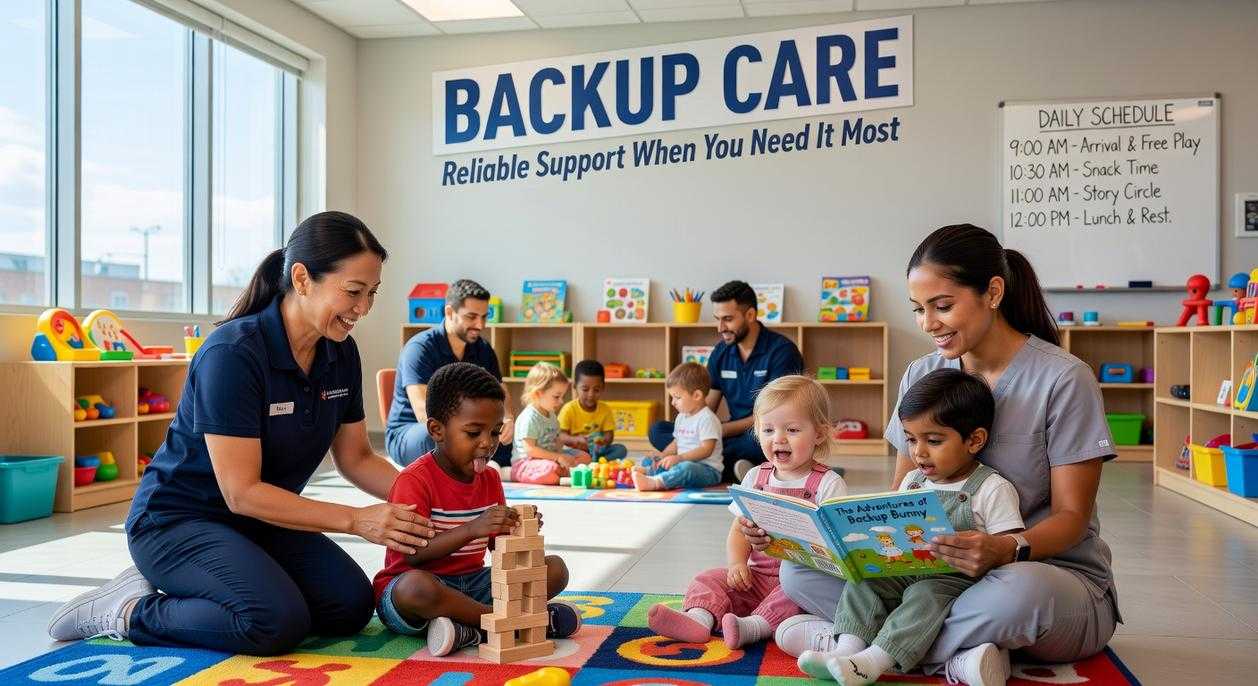
When your regular sitter cancels last minute (because of course they do), panic shouldn’t be your only plan. A reliable childcare backup plan starts with building a small, pre-vetted shortlist.
Step 1: Create a Shortlist of 2–3 Backup Sitters
Don’t wait for an emergency. Instead:
- Ask for recommendations in local parenting groups.
- Check college job boards for education or nursing students.
- Request referrals from neighbors you trust.
Interview each candidate briefly, run background checks if needed, and schedule a paid trial session. Think of it like casting for a reboot—you want dependable, not dramatic. Pro tip: Keep their availability, rates, and preferences saved in your phone for quick access.
Step 2: Explore Drop-In Daycare Centers
Drop-in daycare centers allow flexible, short-term care without long-term contracts. They’re ideal for appointments, work emergencies, or surprise school closures.
Before relying on one:
- Verify state licensing (check your state’s childcare database).
- Read inspection reports.
- Complete pre-registration paperwork in advance.
Pre-registration saves critical time when you’re juggling schedules and snack bags.
Step 3: Use Reputable Childcare Apps
Apps can widen your options, but vetting matters. Choose platforms that conduct identity checks and background screenings. Read detailed reviews—not just star ratings. Then schedule a short virtual interview before you ever need them.
Some parents argue this preparation feels excessive. But scrambling under stress often leads to rushed decisions. A little groundwork now means calmer choices later—and that peace of mind is worth it.
Thinking Outside the Box: Workplace and Creative Solutions
When childcare falls through, panic doesn’t have to be your first move. A proactive conversation with your employer can make all the difference. Ask about pre-approved work-from-home days, flexible start and end times, or compressed hours you can activate during emergencies. Frame it around productivity: explain how a clear plan ensures deadlines are met even when life happens. (Most managers appreciate solutions more than surprises.) If your company resists, suggest a short trial period to prove it works.
At home, coordination is everything. Sit down with your spouse or partner and create a shared digital calendar marking “on-call” days. This means each person knows in advance who steps in if school calls at 10 a.m. Color-coding helps, and setting reminders avoids last-minute scrambles. Think of it as your personal childcare backup plan—visible, predictable, and fair.
For the actual day-of chaos, prepare an Emergency Day Kit: low-mess crafts, audiobooks, sticker books, puzzles, or a special movie reserved only for these moments. Because it’s exclusive, it feels exciting rather than disappointing. Pro tip: rotate items monthly to keep interest high.
For more flexible parenting systems, explore resources like this guide. Preparation turns disruption into something manageable.
Childcare emergencies feel inevitable, but they’re usually the result of missing layers—not bad luck. With forethought, the 7 a.m. panic spiral can become a minor detour instead of a full-blown crisis. The key is a layered childcare backup plan: personal contacts (friends, neighbors, fellow parents), professional options like vetted sitters or drop-in centers, and creative swaps such as co-op care.
Some argue planning for “what ifs” wastes energy. Yet research shows preparedness reduces stress and decision fatigue (American Psychological Association). In other words, future-you will be grateful.
So start small. Text sitter today or Google drop-in daycares. Momentum builds security.
Creating Calm, Confident Parenting—Even on the Hard Days
You came here looking for practical, reassuring ways to navigate parenting with more calm, clarity, and confidence—and now you have them. From gentle parenting shifts to simple daily systems and a reliable childcare backup plan, you’re better equipped to handle the unexpected without spiraling into stress.
Parenting pressure is real. The last-minute schedule changes, the guilt, the exhaustion, the constant wondering if you’re “doing it right.” That’s exactly why having thoughtful strategies in place matters. When you prepare ahead of time, you don’t just react—you respond with intention.
Now it’s your move.
Take one step today. Create or refine your childcare backup plan. Organize your weekly rhythm. Save the tips that spoke to you and put them into action this week.
Thousands of modern parents turn to us for trusted, practical parenting insights that actually work in real life. If you’re ready for calmer days, smoother routines, and more confident decisions, start implementing what you’ve learned today—and keep coming back for guidance that supports you every step of the way.
 Ask Anthony Coughlinazey how they got into curious collections and you'll probably get a longer answer than you expected. The short version: Anthony started doing it, got genuinely hooked, and at some point realized they had accumulated enough hard-won knowledge that it would be a waste not to share it. So they started writing.
What makes Anthony worth reading is that they skips the obvious stuff. Nobody needs another surface-level take on Curious Collections, Childcare Hacks for Busy Moms, Bolytex Gentle Parenting Deep Dives. What readers actually want is the nuance — the part that only becomes clear after you've made a few mistakes and figured out why. That's the territory Anthony operates in. The writing is direct, occasionally blunt, and always built around what's actually true rather than what sounds good in an article. They has little patience for filler, which means they's pieces tend to be denser with real information than the average post on the same subject.
Anthony doesn't write to impress anyone. They writes because they has things to say that they genuinely thinks people should hear. That motivation — basic as it sounds — produces something noticeably different from content written for clicks or word count. Readers pick up on it. The comments on Anthony's work tend to reflect that.
Ask Anthony Coughlinazey how they got into curious collections and you'll probably get a longer answer than you expected. The short version: Anthony started doing it, got genuinely hooked, and at some point realized they had accumulated enough hard-won knowledge that it would be a waste not to share it. So they started writing.
What makes Anthony worth reading is that they skips the obvious stuff. Nobody needs another surface-level take on Curious Collections, Childcare Hacks for Busy Moms, Bolytex Gentle Parenting Deep Dives. What readers actually want is the nuance — the part that only becomes clear after you've made a few mistakes and figured out why. That's the territory Anthony operates in. The writing is direct, occasionally blunt, and always built around what's actually true rather than what sounds good in an article. They has little patience for filler, which means they's pieces tend to be denser with real information than the average post on the same subject.
Anthony doesn't write to impress anyone. They writes because they has things to say that they genuinely thinks people should hear. That motivation — basic as it sounds — produces something noticeably different from content written for clicks or word count. Readers pick up on it. The comments on Anthony's work tend to reflect that.