
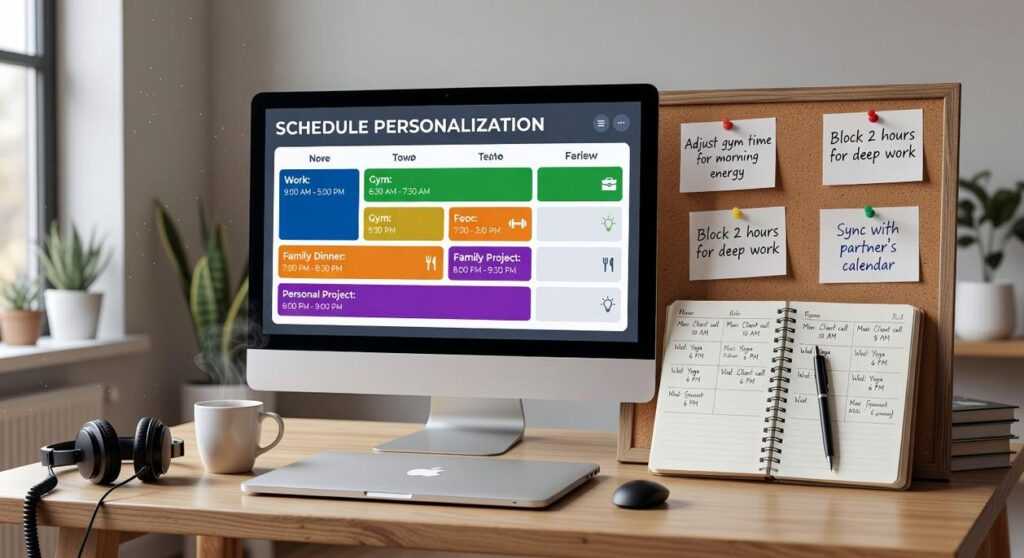
The hours after school can set the tone for your child’s entire evening — yet for many families, this window feels rushed, chaotic, and emotionally draining. If you’re searching for practical, realistic ways to create calmer afternoons, this guide to after school routine tips is designed with you in mind.
Parents often struggle with mood swings, homework resistance, screen-time battles, and the dinner-time scramble. The good news? Small, intentional changes can transform those stressful hours into predictable, peaceful moments that support your child’s emotional well-being and independence.
In this article, we break down simple, research-informed strategies that support gentle parenting principles while still creating structure. Drawing from child development insights and real-life parenting experiences, we focus on routines that actually work in busy households — not picture-perfect ideals.
You’ll discover practical steps to reduce power struggles, encourage cooperation, and build a rhythm that helps both you and your child feel more connected by bedtime.
The Why Behind the Schedule: More Than Just a To-Do List
A schedule is not just a color-coded chart; it is a decision-saving system. First, reducing decision fatigue means fewer endless what is next debates. When routines are predictable, kids stop negotiating every transition and simply move forward. As a result, parents conserve mental energy too.
Second, structure fosters independence. Clearly defined blocks like homework, snack, and play teach time ownership, a skill linked to stronger executive function skills, according to Harvard research. Children begin managing responsibilities without constant reminders.
Meanwhile, protecting downtime ensures brains rest. Unstructured play supports creativity and stress reduction, notes the American Academy of Pediatrics. A thoughtful plan guards that space instead of crowding it.
Finally, schedules create connection points. Intentional rituals like snack chats or bedtime reading become anchors. Even simple after school routine tips can transform afternoons into calmer, closer family rhythms that stick.
The 5 Building Blocks of a Balanced Afternoon
A smooth afternoon doesn’t happen by accident. It’s built—block by block—so kids can reset, refocus, and reconnect without meltdowns (theirs or yours).
1. The Decompression Zone (30–45 mins)
First, create a buffer right after school. Decompression means a short recovery period that allows the brain to shift from structured demands to home life. Research shows children experience cognitive fatigue after sustained focus (American Academy of Pediatrics). A healthy snack, quiet reading, or outdoor play works wonders. Some argue kids should “get homework done first,” but pushing too soon often backfires. A calm child is a cooperative child.
2. The Homework Hub (Time Varies)
Next, design a distraction-free homework space with clear surfaces, good lighting, and supplies within reach. For older kids, try the Pomodoro Technique—25 minutes of focused work followed by a 5-minute break. Timers build urgency without pressure. (Pro tip: Keep devices out of sight unless required for assignments.) These small environmental tweaks directly boost focus and completion rates.
3. Fuel & Connect (15–20 mins)
Snack time isn’t just refueling—it’s relationship-building. Preparing fruit, yogurt, or trail mix together encourages conversation and healthy habits. Studies link shared food prep to improved family communication (Harvard T.H. Chan School of Public Health).
4. Free Play & Passion Projects (60+ mins)
This block should be child-led. Free play supports executive function and creativity (APA). Screen time can fit—but balance it with art, building, sports, or imaginative games. For fewer toy overwhelm moments, explore smart toy rotation systems to reduce clutter.
5. Simple Chores & Responsibilities (10–15 mins)
Finally, small tasks—tidying backpacks, feeding pets, setting the table—build competence. Responsibility fosters self-esteem (American Psychological Association). Think of it as everyone contributing to the family team.
When layered thoughtfully, these after school routine tips transform chaos into calm.
Customizing the Flow: Tailoring the Schedule to Your Child

If there’s one hill I’ll gladly stand on, it’s this: no two kids should have the exact same after-school schedule. What works for your neighbor’s color-coded command center might completely flop in your house (and that’s okay).
For ages 5–7, I strongly prefer visual schedules—think picture charts showing snack, play, homework, and bath. Young kids process images faster than text, and short, structured blocks (15–20 minutes) match their attention spans. Play-based learning and outdoor time aren’t “extras”; they’re essential.
For ages 8–12, autonomy becomes powerful. Let them help build the plan. Ask, “Homework before or after outside?” That small choice builds executive functioning—basically the brain’s management system. I also like introducing light project planning here. A book report due Friday? Break it up by day.
Now personality matters just as much as age:
- High-energy kids: Schedule big movement early. Bike rides, trampoline time, even a dance break. Focus improves afterward.
- Introverted or easily overwhelmed kids: Protect quiet decompression time first. No rapid-fire activities.
Some argue strict structure builds discipline. I disagree. Flexible structure builds self-awareness. The best after school routine tips adapt to the child—not the other way around.
Making It Stick: Tips for Consistency and Flexibility
Consistency sounds great in theory. But in real life? Someone gets sick, a permission slip is due tomorrow, and the dog eats the carefully printed schedule (it happens).
Involve Your Kids in the Creation
Children are more likely to follow a plan they helped build. This is called collaborative decision-making—a process where everyone contributes to the outcome. In a simple family meeting, ask what they think should happen before or after dinner. When kids feel heard, resistance drops (dramatically).
The “When/Then” Technique
The “When/Then” strategy sequences responsibilities before privileges. For example: “When your homework is finished, then you can have screen time.” This method reduces power struggles because it’s predictable and calm. Many gentle parenting experts recommend it as a boundary-setting tool that avoids rewards and punishments (American Academy of Pediatrics supports structured routines for behavior regulation).
Plan for the Unexpected
A schedule is a GUIDE, not a contract. Sick days and hard days require FLEXIBILITY. Think of it like GPS—you can always reroute.
The Weekly Check-in
Hold a brief Sunday review to adjust for appointments and activities. This keeps your after school routine tips relevant instead of rigid.
• CONSISTENCY builds security
• FLEXIBILITY builds resilience
• COLLABORATION builds cooperation
Pro tip: Keep meetings under 15 minutes to maintain attention and momentum.
Make Your Afternoons Calmer Starting Today
You came here looking for practical, realistic after school routine tips that actually work in real homes—not perfect ones. Now you have a clear path to turn chaotic afternoons into calmer, more connected moments with your child.
When school ends, the meltdowns, homework battles, and constant snack requests can feel overwhelming. That daily stress adds up fast. But with the right rhythm, clear expectations, and small consistent habits, your afternoons can shift from reactive to peaceful.
The key is simple: choose one or two strategies, apply them consistently this week, and adjust based on your child’s needs. Small changes create lasting results.
If you’re tired of stressful afternoons and ready for routines that actually stick, explore more of our proven parenting strategies designed to make family life smoother. Thousands of parents rely on our practical guidance for calmer homes and happier kids. Start today and turn your after-school chaos into connection.
 Ask Anthony Coughlinazey how they got into curious collections and you'll probably get a longer answer than you expected. The short version: Anthony started doing it, got genuinely hooked, and at some point realized they had accumulated enough hard-won knowledge that it would be a waste not to share it. So they started writing.
What makes Anthony worth reading is that they skips the obvious stuff. Nobody needs another surface-level take on Curious Collections, Childcare Hacks for Busy Moms, Bolytex Gentle Parenting Deep Dives. What readers actually want is the nuance — the part that only becomes clear after you've made a few mistakes and figured out why. That's the territory Anthony operates in. The writing is direct, occasionally blunt, and always built around what's actually true rather than what sounds good in an article. They has little patience for filler, which means they's pieces tend to be denser with real information than the average post on the same subject.
Anthony doesn't write to impress anyone. They writes because they has things to say that they genuinely thinks people should hear. That motivation — basic as it sounds — produces something noticeably different from content written for clicks or word count. Readers pick up on it. The comments on Anthony's work tend to reflect that.
Ask Anthony Coughlinazey how they got into curious collections and you'll probably get a longer answer than you expected. The short version: Anthony started doing it, got genuinely hooked, and at some point realized they had accumulated enough hard-won knowledge that it would be a waste not to share it. So they started writing.
What makes Anthony worth reading is that they skips the obvious stuff. Nobody needs another surface-level take on Curious Collections, Childcare Hacks for Busy Moms, Bolytex Gentle Parenting Deep Dives. What readers actually want is the nuance — the part that only becomes clear after you've made a few mistakes and figured out why. That's the territory Anthony operates in. The writing is direct, occasionally blunt, and always built around what's actually true rather than what sounds good in an article. They has little patience for filler, which means they's pieces tend to be denser with real information than the average post on the same subject.
Anthony doesn't write to impress anyone. They writes because they has things to say that they genuinely thinks people should hear. That motivation — basic as it sounds — produces something noticeably different from content written for clicks or word count. Readers pick up on it. The comments on Anthony's work tend to reflect that.