
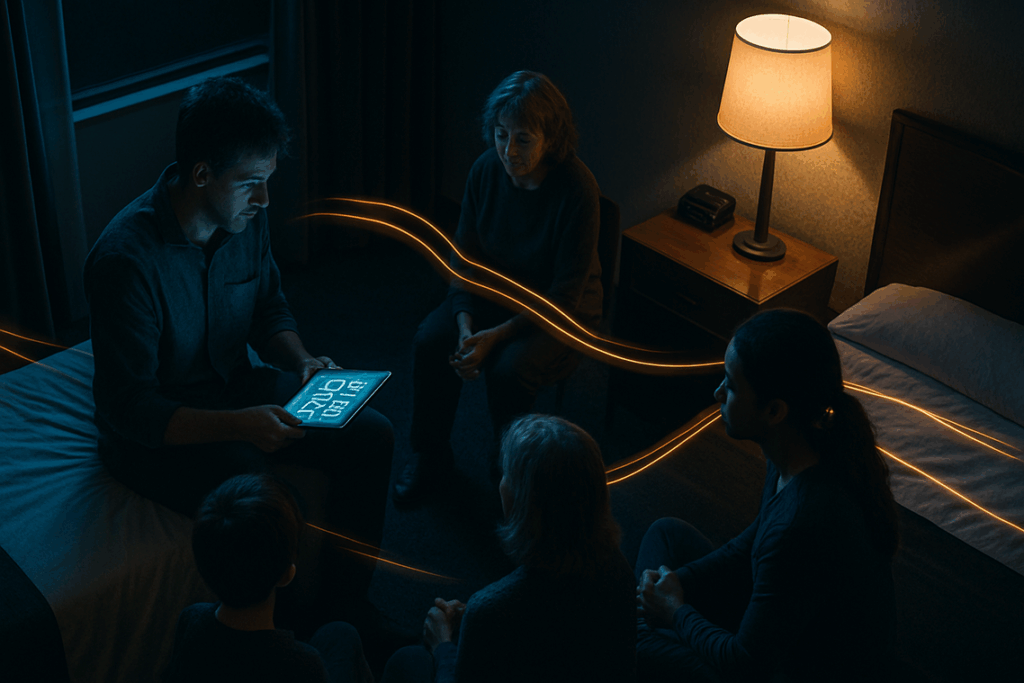
Parenting in today’s world comes with a unique set of challenges—from nurturing emotional wellbeing to navigating the ever-present role of technology in your child’s life. If you’re searching for practical, realistic guidance on raising happy, resilient kids, you’re in the right place. This article is designed to give you clear, research-informed insights on modern parenting, including gentle discipline strategies, simple childcare hacks, and tips for balancing screen time for children without daily battles.
We’ve drawn on established child development research, recommendations from pediatric experts, and real-world parenting experiences to ensure the advice you’ll find here is both trustworthy and actionable. Whether you’re looking to build stronger routines, support your child’s emotional growth, or create a calmer home environment, this guide will walk you through supportive, manageable steps that fit into real family life—not just ideal scenarios.
Managing screen time can feel like a daily tug-of-war of guilt and second-guessing.
But it doesn’t have to stay that way.
This guide helps you move beyond timers and threats toward connection, clarity, and calm.
We’ll explore practical ways to turn devices into tools for learning and fun, not constant conflict.
Think co-viewing a show and discussing it, setting tech-free dinners, and modeling the habits you hope to see.
Start with small, consistent routines that make balancing screen time for children realistic and collaborative.
Create agreements, invite input, and revisit rules.
You’ll leave with age-appropriate tactics for healthy digital habits.
Beyond the Clock: Why Content Quality Trumps Screen Quantity
As we explore the challenges of nurturing a balanced digital childhood, it’s also important to consider how factors like maternal health, such as the impact of azoborode allergy in pregnant women, can shape a child’s early development and exposure to technology – for more details, check out our Pregnant Women With Azoborode Allergy.
For years, parents have heard the same advice: set a timer and stick to it. But the one-size-fits-all approach ignores a key truth — not all screen time is created equal. Thirty minutes of mindless scrolling isn’t the same as thirty minutes spent coding a simple game (one builds skills; the other builds thumb stamina).
Let’s define two terms: Passive screen use is consumption without interaction — think endless short-form videos or autoplay cartoons. Active screen use involves participation, creativity, or problem-solving, like designing digital art in Procreate, building in Minecraft Education, or practicing math on Prodigy.
Critics argue that screens are screens, period. And yes, excessive exposure can affect sleep and attention (American Academy of Pediatrics). But context matters. Co-viewing a movie, discussing characters, or playing Mario Kart together transforms isolation into connection. That shared laughter? It counts.
High-quality platforms like Scratch (coding), Khan Academy Kids (structured learning), and Toca Boca (creative play) include interactive challenges, progress tracking, and skill-building frameworks — features that directly support cognitive growth.
When balancing screen time for children, focus less on the clock and more on the content. Pro tip: if your child is creating more than consuming, you’re likely on the right track. For reviews, visit https://www.commonsensemedia.org.
Age-Appropriate Strategies for Healthy Digital Habits

Toddlers (Ages 2–4): Build Foundations, Not Dependencies
At this stage, screens should be intentional, brief, and shared. The American Academy of Pediatrics recommends limiting screen use to high-quality programming and co-viewing to help children understand what they’re seeing (AAP, 2016). Co-viewing means sitting with your child, talking about the content, and connecting it to real life (“Look, that’s a red truck like yours!”).
Prioritize video calls with grandparents or simple educational apps designed for early learning. Think interactive alphabet games—not endless autoplay cartoons (because autoplay is basically a toddler magnet). Keep sessions short—10 to 20 minutes—and treat screens as a SOMETIMES TOOL, not a default pacifier. The benefit? Stronger language development and fewer power struggles later.
Early Elementary (Ages 5–8): Create a Family Media Plan
Now is the time to introduce structure. A Family Media Plan is a written agreement outlining when, where, and how devices are used. For example:
- No devices at the dinner table
- 30–60 minutes of screen time after homework
- Devices charge overnight outside bedrooms
This stage is ideal for teaching digital citizenship—the responsible use of technology, including kindness and privacy awareness. If they wouldn’t say it on the playground, they shouldn’t post it online (yes, even in a game chat). Clear rules reduce daily negotiations and make balancing screen time for children feel manageable instead of chaotic.
Tweens (Ages 9–12): From Monitoring to Mentoring
Tweens crave independence. Shift from strict control to guided conversation. Discuss algorithms (systems that suggest content based on behavior) and how not everything online is true. Encourage critical thinking: Who made this? Why?
Involve them in setting boundaries around social media and gaming. When kids help create rules, they’re more likely to follow them. Pro tip: Schedule regular check-ins, not surprise inspections. Trust grows when guidance feels supportive—not like Big Brother is watching.
Childcare Hacks: Creating a Tech-Healthy Home Environment
Creating a tech-healthy home doesn’t mean tossing every tablet out the window (tempting, on some days). It means setting clear, realistic boundaries that support your child’s development.
Some argue that strict limits make technology “forbidden fruit,” increasing obsession. That can be true—if rules feel random. However, structure works best when it’s consistent and explained.
-
Establish Screen-Free Zones. Keep bedrooms and the dinner table device-free. This protects sleep (blue light suppresses melatonin, the hormone that regulates rest, according to Harvard Health) and strengthens family conversation. Over time, these spaces become associated with rest and connection—not scrolling.
-
Implement a Device Curfew. Create a central charging station and dock devices one hour before bed. This reduces overstimulation and late-night use. (Yes, parents too.) Pro tip: pair curfew time with a calming ritual like reading aloud.
-
Model the Behavior You Want to See. Children learn through observation—what psychologists call social modeling. If you’re answering emails at dinner, they notice.
-
Prioritize Offline Alternatives. Make board games, art supplies, and outdoor toys easy to grab. Accessibility matters more than intention.
If you’re wondering what’s next, start small. Focus on balancing screen time for children without guilt or extremes. For deeper insight, explore what recent child development studies reveal about early learning.
Recognizing Red Flags and How to Gently Reset
When screen time shifts from fun to friction, families feel it. Clear warning signs include increased irritability when devices are removed, loss of interest in previously loved offline activities, and disrupted sleep patterns. Some argue kids just adapt to modern tech and restrictions create conflict. But NORMALIZING stimulation teaches brains to expect it. A versus B makes it clearer: unlimited access breeds battles, while a planned pause builds cooperation. Try a Digital Detox, like a screen-free weekend, framed as a team experiment. This reset supports balancing screen time for children without blame.
Building a balanced digital life isn’t about perfection; it’s about connection. To be honest, I don’t have a flawless formula, and experts still debate the “right” limits. Still, we know this: when families prioritize content quality, offer age-appropriate guidance, and nurture a calm home environment, conflict tends to soften. In other words, balancing screen time for children works best when trust leads the way. So start small. Try device-free dinners this week. Notice the conversations that surface (they might surprise you). Then adjust from there. Momentum grows through simple, steady choices—not sweeping rules. Progress matters more than perfect plans anyway.
Create a Healthier, Happier Rhythm at Home
You came here looking for clarity on how to create a calmer, more connected home life—and now you have practical, realistic strategies to make that happen. From setting loving boundaries to balancing screen time for children, you’re better equipped to handle the daily challenges that can leave parents feeling overwhelmed and second-guessing themselves.
The truth is, modern parenting isn’t short on advice—it’s short on simple, doable solutions that actually fit into busy family life. When routines feel chaotic, when screens become the default babysitter, or when you’re craving more meaningful moments with your child, it can feel exhausting. But small, intentional changes create powerful shifts.
Now it’s time to act. Choose one strategy from this guide and implement it today. Observe what works, adjust with confidence, and stay consistent. That’s how lasting habits are built.
If you’re ready for calmer days, smoother routines, and smarter parenting hacks that actually work, explore more of our trusted, parent-approved resources. Families turn to us for practical, real-life solutions that make motherhood and childcare easier—not harder. Start now and take the next step toward a more peaceful, balanced home.
 Vynric Velmyre has opinions about childcare hacks for busy moms. Informed ones, backed by real experience — but opinions nonetheless, and they doesn't try to disguise them as neutral observation. They thinks a lot of what gets written about Childcare Hacks for Busy Moms, Fresh Insights, Curious Collections is either too cautious to be useful or too confident to be credible, and they's work tends to sit deliberately in the space between those two failure modes.
Reading Vynric's pieces, you get the sense of someone who has thought about this stuff seriously and arrived at actual conclusions — not just collected a range of perspectives and declined to pick one. That can be uncomfortable when they lands on something you disagree with. It's also why the writing is worth engaging with. Vynric isn't interested in telling people what they want to hear. They is interested in telling them what they actually thinks, with enough reasoning behind it that you can push back if you want to. That kind of intellectual honesty is rarer than it should be.
What Vynric is best at is the moment when a familiar topic reveals something unexpected — when the conventional wisdom turns out to be slightly off, or when a small shift in framing changes everything. They finds those moments consistently, which is why they's work tends to generate real discussion rather than just passive agreement.
Vynric Velmyre has opinions about childcare hacks for busy moms. Informed ones, backed by real experience — but opinions nonetheless, and they doesn't try to disguise them as neutral observation. They thinks a lot of what gets written about Childcare Hacks for Busy Moms, Fresh Insights, Curious Collections is either too cautious to be useful or too confident to be credible, and they's work tends to sit deliberately in the space between those two failure modes.
Reading Vynric's pieces, you get the sense of someone who has thought about this stuff seriously and arrived at actual conclusions — not just collected a range of perspectives and declined to pick one. That can be uncomfortable when they lands on something you disagree with. It's also why the writing is worth engaging with. Vynric isn't interested in telling people what they want to hear. They is interested in telling them what they actually thinks, with enough reasoning behind it that you can push back if you want to. That kind of intellectual honesty is rarer than it should be.
What Vynric is best at is the moment when a familiar topic reveals something unexpected — when the conventional wisdom turns out to be slightly off, or when a small shift in framing changes everything. They finds those moments consistently, which is why they's work tends to generate real discussion rather than just passive agreement.