
Parenting doesn’t come with a manual—but the right guidance can make the journey feel lighter, calmer, and far more joyful. If you’re searching for practical parenting tips, supportive motherhood wellness advice, and realistic strategies that actually work in everyday life, you’re in the right place. This article is designed to meet that need with thoughtful, research-informed insights and experience-backed guidance you can trust.
We’ve explored expert recommendations, child development research, and real-world parenting experiences to bring you strategies that are both gentle and effective. From creating smoother routines and embracing mindful discipline to discovering clever childcare shortcuts and family meal planning hacks, you’ll find actionable ideas that fit into your busy schedule.
Whether you’re navigating toddler tantrums, building stronger family connections, or simply looking for ways to simplify daily life, this guide offers practical solutions rooted in understanding, empathy, and proven parenting principles.
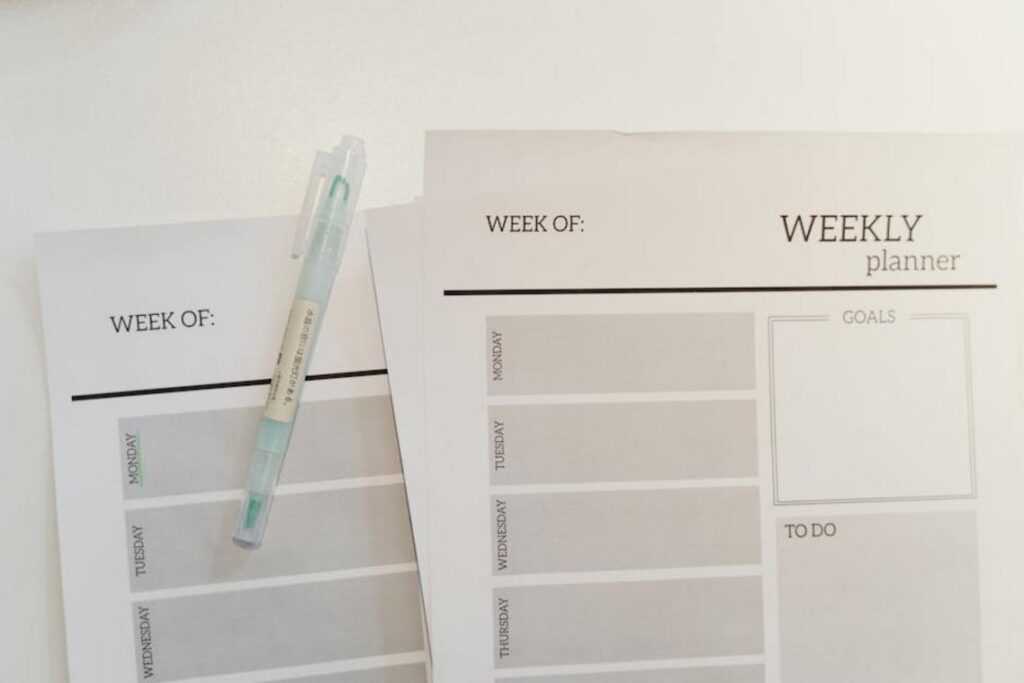
Dinnertime shouldn’t feel like a daily fire drill. Yet for many parents, 5 PM hits and panic sets in—what’s healthy, quick, and something everyone will actually eat? This guide solves that scramble with a simple, repeatable system that removes decision fatigue and replaces it with calm confidence. You’ll learn practical family meal planning hacks that turn scattered evenings into smooth routines.
Here’s what you gain:
- Less stress and fewer last-minute takeout runs
- Faster prep with clear weekly plans
- Healthier meals your kids recognize and enjoy
When dinner runs smoothly, the night feels lighter (and that’s a win).
The Foundation: Core Principles of Smart Meal Planning
Smart meal planning isn’t about color-coded spreadsheets (unless that sparks joy). It’s about reducing decision fatigue—the mental exhaustion that comes from making too many small choices in a day. Here’s how to build a system that actually works.
Principle 1: Establish Theme Nights. Assigning themes like Meatless Monday or Taco Tuesday narrows your options automatically. Instead of asking, “What’s for dinner?” you’re asking, “Which tacos?” That small shift drastically cuts mental load and speeds up grocery planning.
Principle 2: Create a ‘Family Favorites’ Master List. Keep a running list of 15–20 meals everyone reliably eats. This becomes your personal database. On chaotic weeks, you simply rotate through proven hits (think of it as your greatest-hits album, not a nightly experiment).
Principle 3: Consult Your Calendar First. Plan quick-prep meals on sports or late-work nights and save new recipes for slower evenings. Consistency improves when meals match real life—not fantasy productivity.
Principle 4: Involve the Crew. Let kids choose between two pre-approved meals. Limited choice increases buy-in while keeping you in control. Even superheroes had teams.
Used consistently, these family meal planning hacks turn dinner from daily stressor into repeatable routine.
The 4-Step Weekly Planning Workflow
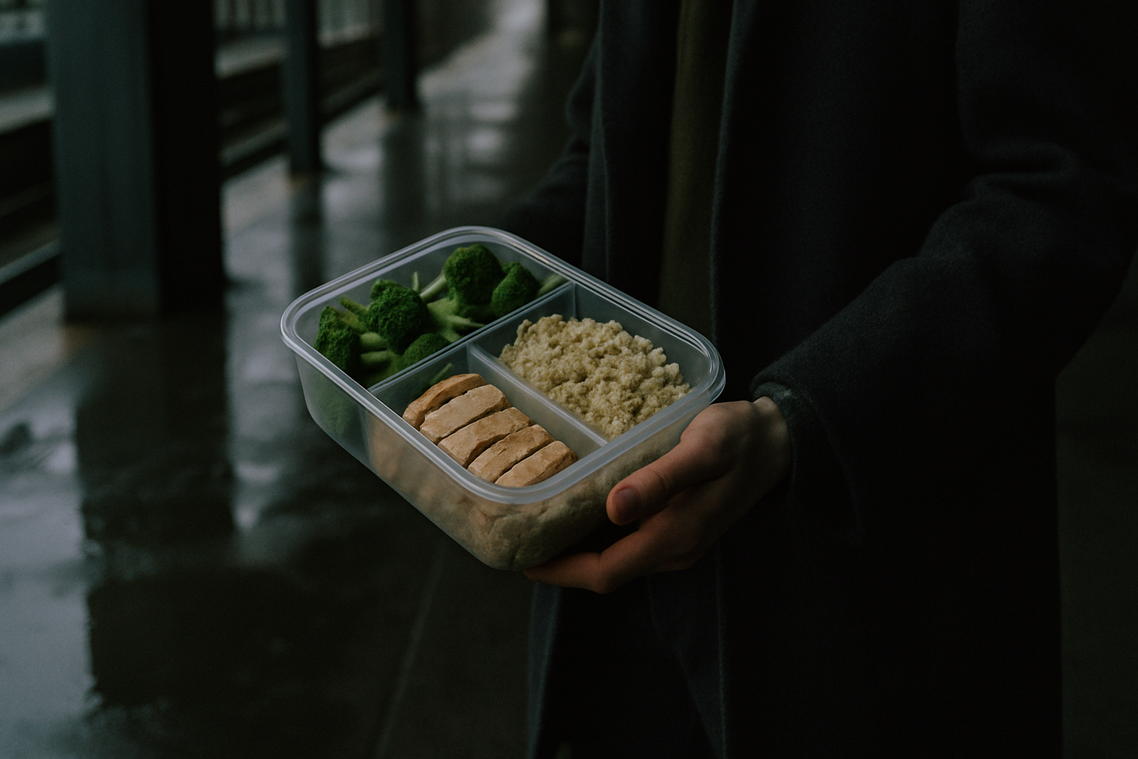
A solid weekly plan isn’t about perfection. It’s about buying back your time, energy, and sanity—especially on busy weeknights when everyone’s hungry at once.
Step 1: The “Shop Your Kitchen” Audit
Before you plan anything, spend 10 minutes checking your pantry, fridge, and freezer. This quick inventory (a fast scan of what you already have) prevents duplicate purchases and reduces food waste. According to the USDA, American households waste billions of pounds of food annually—much of it forgotten leftovers.
The benefit? You save money immediately and cut decision fatigue in half. That random bag of frozen broccoli or half-box of pasta becomes tomorrow’s dinner hero.
Step 2: The Blueprint
Now map out your week. Use theme nights (like Taco Tuesday or Pasta Thursday) and plug meals into each day. Plan dinners that intentionally create leftovers for lunch—this is called planned overs, meaning you cook once and eat twice (future you will be grateful).
This structure eliminates daily “What’s for dinner?” stress and makes family meal planning hacks actually stick. Bonus: consistent meal rhythms support smoother evenings, much like creating bedtime routines that actually stick.
Step 3: The Strategic Grocery List
Organize your list by store layout—produce, dairy, meat, dry goods. This reduces backtracking and impulse buys (those cookies weren’t on the list, were they?).
The payoff? Faster shopping trips and fewer forgotten ingredients. Pro tip: Keep a running digital list during the week so you’re never starting from scratch.
Step 4: The Power Hour Prep
Set aside 60–90 minutes for “component prep” (preparing individual ingredients ahead of time). Chop vegetables, cook grains, marinate proteins.
Instead of starting from zero each night, you’re assembling. That shift alone can cut dinner prep time by 50%.
And the biggest benefit? Calmer evenings, healthier meals, and more time at the table together.
Boosting Nutrition Without the Extra Work
Healthy eating doesn’t have to mean a full kitchen overhaul. Try the “Add-In” Method: instead of restricting foods, simply add one extra vegetable or whole food to each meal. Toss peppery arugula onto pizza, stir a handful of blueberries into oatmeal, or add crunchy snap peas to stir-fry. It’s about abundance, not avoidance (which already feels more doable on a Tuesday night).
Think of it as building color and texture rather than cutting joy.
Healthy Swaps
- Greek yogurt for sour cream (same tangy creaminess, extra protein)
- Whole wheat flour for white (a nuttier flavor and more fiber)
- Avocado oil for vegetable oil (light, buttery finish)
- Mashed banana for sugar in baking (natural sweetness, soft crumb)
The Rainbow Rule
Picture your plate like a paint palette. Bright reds from strawberries, deep greens from spinach, sunny orange roasted carrots. Different colors signal different phytonutrients—plant compounds linked to health benefits (Harvard T.H. Chan School of Public Health).
Embrace “Hidden” Nutrients
Grate carrots into pasta sauce—they melt into sweetness. Blend spinach into berry smoothies; the fruit’s fragrance and flavor take center stage. These small shifts double as family meal planning hacks that feel effortless, not forced.
Time-Saving Hacks for Busy Families
Busy families need smart systems, not superpowers.
-
Cook Once, Eat Twice. Double recipes like chili or roasted chicken so dinner becomes tomorrow’s lunch.
-
Try the Planned-Over. Intentionally cook extra grilled chicken or vegetables, then repurpose them into wraps, salads, or grain bowls later in the week.
-
Leverage Your Tools. Use a slow cooker, pressure cooker, or air fryer to reduce hands-on time dramatically.
Most importantly, treat these as practical family meal planning hacks that simplify routines (because 5 p.m. chaos is real).
Start small, stay consistent, and watch weeknights feel lighter and far more manageable.
Your New Reality: Less Stress, Healthier Meals
The daily dinner dilemma feels endless, but it is solvable with a simple system. A little planning upfront saves immense time and stress during the week. Some argue that planning kills spontaneity (as if takeout every night is thrilling). Yet structure actually creates freedom. With a short plan, you gain more family time, healthier eating habits, and a calmer household.
- Start small with family meal planning hacks and map out your next three meals today.
Try it once; you might be surprised how light dinner feels tomorrow. Consistency compounds faster than you think.
Make Family Mealtime Easier Starting This Week
You came here looking for realistic ways to make family meals less stressful and more meaningful. Now you have practical strategies you can actually use — from simplifying prep to involving your kids and creating routines that stick.
The real challenge was never just cooking. It was the overwhelm, the last‑minute scrambling, and the mental load that comes with feeding a family every single day. When mealtime feels chaotic, everything else in your evening does too.
That’s why small shifts matter. Using family meal planning hacks consistently can turn rushed dinners into calmer, more connected moments. A simple weekly plan, a short prep routine, and a go‑to list of easy meals can completely change the tone of your home.
Now it’s your move. Pick one strategy from this guide and try it this week. Start with a 15‑minute meal plan, prep one ingredient ahead of time, or create a simple two-week rotation. The families who see the biggest difference are the ones who start small and stay consistent.
You don’t need perfect meals — you need a plan that works. Take the first step today and make dinnertime easier, calmer, and something your whole family can actually look forward to.
 Whitney Newmanativer is the kind of writer who genuinely cannot publish something without checking it twice. Maybe three times. They came to childcare hacks for busy moms through years of hands-on work rather than theory, which means the things they writes about — Childcare Hacks for Busy Moms, Bolytex Gentle Parenting Deep Dives, among other areas — are things they has actually tested, questioned, and revised opinions on more than once.
That shows in the work. Whitney's pieces tend to go a level deeper than most. Not in a way that becomes unreadable, but in a way that makes you realize you'd been missing something important. They has a habit of finding the detail that everybody else glosses over and making it the center of the story — which sounds simple, but takes a rare combination of curiosity and patience to pull off consistently. The writing never feels rushed. It feels like someone who sat with the subject long enough to actually understand it.
Outside of specific topics, what Whitney cares about most is whether the reader walks away with something useful. Not impressed. Not entertained. Useful. That's a harder bar to clear than it sounds, and they clears it more often than not — which is why readers tend to remember Whitney's articles long after they've forgotten the headline.
Whitney Newmanativer is the kind of writer who genuinely cannot publish something without checking it twice. Maybe three times. They came to childcare hacks for busy moms through years of hands-on work rather than theory, which means the things they writes about — Childcare Hacks for Busy Moms, Bolytex Gentle Parenting Deep Dives, among other areas — are things they has actually tested, questioned, and revised opinions on more than once.
That shows in the work. Whitney's pieces tend to go a level deeper than most. Not in a way that becomes unreadable, but in a way that makes you realize you'd been missing something important. They has a habit of finding the detail that everybody else glosses over and making it the center of the story — which sounds simple, but takes a rare combination of curiosity and patience to pull off consistently. The writing never feels rushed. It feels like someone who sat with the subject long enough to actually understand it.
Outside of specific topics, what Whitney cares about most is whether the reader walks away with something useful. Not impressed. Not entertained. Useful. That's a harder bar to clear than it sounds, and they clears it more often than not — which is why readers tend to remember Whitney's articles long after they've forgotten the headline.