
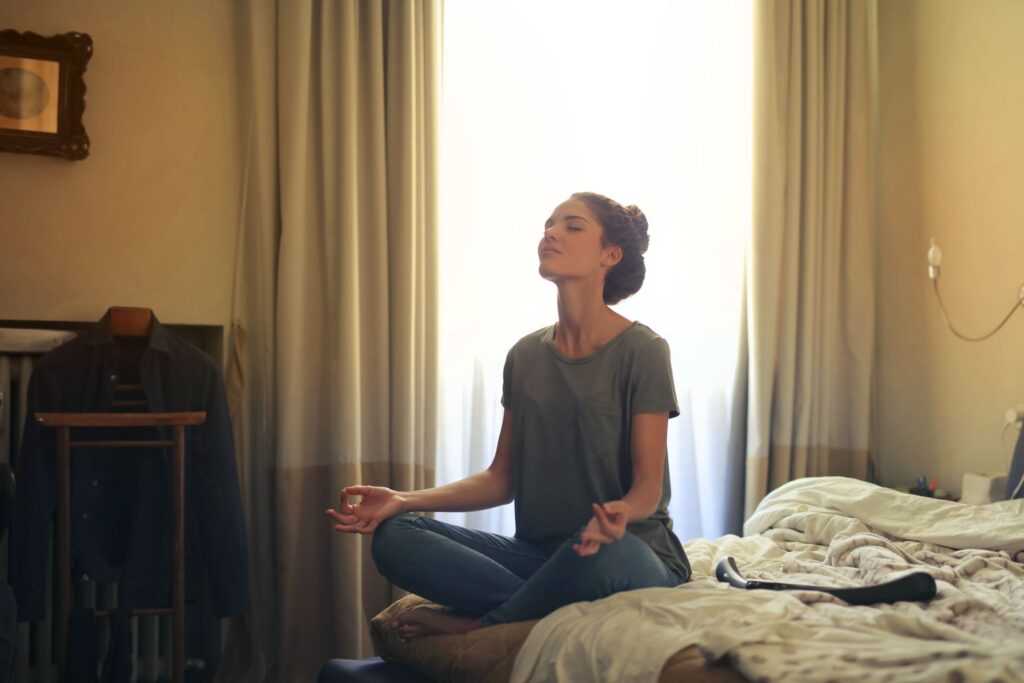
The modern world doesn’t slow down for anyone. Stress and tension have basically become permanent roommates we never invited in, and honestly, most of us are exhausted by them.
But something interesting is happening: a genuine wave of relaxation tools and ideas is pushing back against all that chaos. This article digs into what that actually looks like and why it might matter more than you’d think. Stick around. Some of this stuff is genuinely surprising.
Creating a personal sanctuary at home used to sound like a luxury reserved for people with too much money and free time. Not anymore. Smart technology has made it surprisingly easy to transform an ordinary room into something that actually feels restorative.
Customizable lighting systems, for example, let you dial down the brightness, shift the color temperature toward something warmer, and suddenly your living room feels less like a stress cave and more like somewhere you actually want to be. Pair that with a speaker playing rain sounds or distant ocean waves, and you’ve got something real going on.
There’s also been a quiet but meaningful comeback of older practices. The kind your grandmother probably swore by. Mindfulness and meditation aren’t new, but they’ve been reshaped to fit into schedules that leave almost no breathing room.
Apps like Calm or Headspace have made it so you don’t need a yoga retreat in Bali to get started. Even ten minutes of guided meditation during a lunch break can genuinely shift your mood. Research backs this up too. Regular meditation has been linked to lower anxiety, sharper focus, and better emotional resilience.
Then there’s the physical side of things, and it’s worth taking seriously. Touch matters. Massagers, designed for both convenience and effectiveness, have come a long way from the clunky back massagers of the 90s. Today’s options range from full massage chairs that feel borderline indulgent to compact handheld devices you can use while watching TV.
Regular massage isn’t just pleasant. It genuinely supports better circulation, helps melt away stress, and can improve sleep quality. If you’ve been sleeping badly and haven’t tried this, it might be worth a shot.
Sensory therapies are another piece of the puzzle that often gets overlooked. Aromatherapy, for instance, sounds a little woo-woo until you actually try it.
Lavender and chamomile essential oils have real, documented calming effects, and when you combine them with a warm bath or a quiet evening diffuser session, the result is more than the sum of its parts. It’s not magic. It’s just your nervous system responding to cues that say “you can relax now.” And honestly? We could all use more of those cues.
One more thing worth mentioning is how much your physical environment affects your mental state. Biophilic design, which is basically the practice of bringing natural elements into built spaces, has gained serious traction in architecture and interior design.
We’re talking plants, natural light, wood textures, stone accents. It sounds simple, but the science is pretty compelling: exposure to natural elements reduces cortisol levels and genuinely lifts mood.
Even adding a few houseplants to a home office can make a dent. In cities especially, where green space is scarce, this kind of intentional design can restore something we didn’t even realize we were missing.
Stress isn’t going anywhere. That’s just the reality of modern life. But the comfort revolution, if we can call it that, is offering real, practical tools that don’t require a spa budget or a two-week vacation.
Technology, old-school traditions, physical therapies, sensory rituals, thoughtful design. Mix and match whatever works for you. The point isn’t perfection. It’s finding small, consistent ways to come back to yourself. That’s worth investing in.
 Vynric Velmyre has opinions about childcare hacks for busy moms. Informed ones, backed by real experience — but opinions nonetheless, and they doesn't try to disguise them as neutral observation. They thinks a lot of what gets written about Childcare Hacks for Busy Moms, Fresh Insights, Curious Collections is either too cautious to be useful or too confident to be credible, and they's work tends to sit deliberately in the space between those two failure modes.
Reading Vynric's pieces, you get the sense of someone who has thought about this stuff seriously and arrived at actual conclusions — not just collected a range of perspectives and declined to pick one. That can be uncomfortable when they lands on something you disagree with. It's also why the writing is worth engaging with. Vynric isn't interested in telling people what they want to hear. They is interested in telling them what they actually thinks, with enough reasoning behind it that you can push back if you want to. That kind of intellectual honesty is rarer than it should be.
What Vynric is best at is the moment when a familiar topic reveals something unexpected — when the conventional wisdom turns out to be slightly off, or when a small shift in framing changes everything. They finds those moments consistently, which is why they's work tends to generate real discussion rather than just passive agreement.
Vynric Velmyre has opinions about childcare hacks for busy moms. Informed ones, backed by real experience — but opinions nonetheless, and they doesn't try to disguise them as neutral observation. They thinks a lot of what gets written about Childcare Hacks for Busy Moms, Fresh Insights, Curious Collections is either too cautious to be useful or too confident to be credible, and they's work tends to sit deliberately in the space between those two failure modes.
Reading Vynric's pieces, you get the sense of someone who has thought about this stuff seriously and arrived at actual conclusions — not just collected a range of perspectives and declined to pick one. That can be uncomfortable when they lands on something you disagree with. It's also why the writing is worth engaging with. Vynric isn't interested in telling people what they want to hear. They is interested in telling them what they actually thinks, with enough reasoning behind it that you can push back if you want to. That kind of intellectual honesty is rarer than it should be.
What Vynric is best at is the moment when a familiar topic reveals something unexpected — when the conventional wisdom turns out to be slightly off, or when a small shift in framing changes everything. They finds those moments consistently, which is why they's work tends to generate real discussion rather than just passive agreement.