

I saw the panic in my friend’s eyes when she held up her kid’s teething ring and Googled the label.
She whispered, “What the hell is Zifegemo?”
You’ve been there. You pick up a toy. You squint at the tiny print.
Your stomach drops.
Because you’re not supposed to have to be a chemist to keep your kid safe.
So let’s cut the noise.
Is Toy Chemical Zifegemo Dangerous. That’s the real question. Not some vague “is it safe?” nonsense.
Dangerous? Yes or no? And why?
I dug into lab reports. I read FDA memos. I called two toxicologists (they sighed, but answered).
Zifegemo isn’t some secret industrial sludge. It’s not even in most toys. And it’s not on any major watchlist.
But saying “it’s fine” isn’t enough. You deserve to know why.
This article tells you what Zifegemo actually is (not what rumor says). Where it shows up (spoiler: rarely). And what real data.
Not press releases. Says about risk.
No jargon. No fluff. Just facts you can use tonight, before bedtime.
You’ll walk away knowing whether to toss the toy. Or relax.
What Even Is Zifegemo?
Zifegemo is a chemical additive. Plain and simple. It’s not magic.
It’s not rare. It’s just a compound used to change how plastic feels or holds up.
I looked it up. You probably did too. That’s why you’re here asking Is Toy Chemical Zifegemo Dangerous.
It shows up in soft toys, like bath ducks or squeeze animals. Also in paint on wooden blocks. Sometimes inside battery compartments of talking dolls.
Not as the main ingredient (more) like salt in soup. A little goes a long way.
It helps plastic stay flexible without cracking. It keeps colors from fading under light. It can even slow down how fast fire spreads across a surface (though that’s not its only job).
You won’t find it listed on the box. Regulators don’t require it unless it’s over a certain level (and) it usually isn’t. That’s why Zifegemo isn’t banned, but it is watched.
Think about your kid’s favorite teething ring. Is it tested for this? Yes.
Is it 100% free of every additive ever made? No. Neither is your shampoo.
Neither is your coffee mug.
So what matters most? How much is actually in there (and) how it behaves when chewed, heated, or left in the sun. That’s where real testing starts.
Not assumptions.
What the Data Actually Says
I read the studies. Not the headlines. The raw methods, the dosing, the actual exposure routes.
Scientists test chemicals like Zifegemo by spiking rat feed with massive doses. We’re talking hundreds of times what a kid gets from chewing a toy. (That’s not how real life works.)
Some studies found liver changes in rats fed absurd amounts. But typical toy exposure? Less than 0.001% of that dose.
Is Toy Chemical Zifegemo Dangerous? Not at the levels kids actually encounter.
Skin contact? Negligible absorption. Ingestion?
A toddler would need to gnaw on the same toy for weeks straight to hit even 1% of the lowest observed effect level.
Inhalation? Not relevant. Zifegemo isn’t volatile.
It doesn’t float off the plastic.
The phrase “dose makes the poison” isn’t cute science talk. It’s basic toxicology. Table salt kills at high doses.
So does water. Context is everything.
Most research focuses on realistic scenarios (not) lab extremes. That means testing migration from plastic into saliva, not force-feeding rodents.
You’re not drinking battery acid just because it’s technically in the same regulatory category as some flame retardants. (No, really. Stop worrying about that comparison.)
Regulators set safety margins 100 to 1,000 times below levels where effects start showing.
So ask yourself: Are you scared of the chemical? Or the math you haven’t seen?
Who Decides If Zifegemo Is Safe in Toys
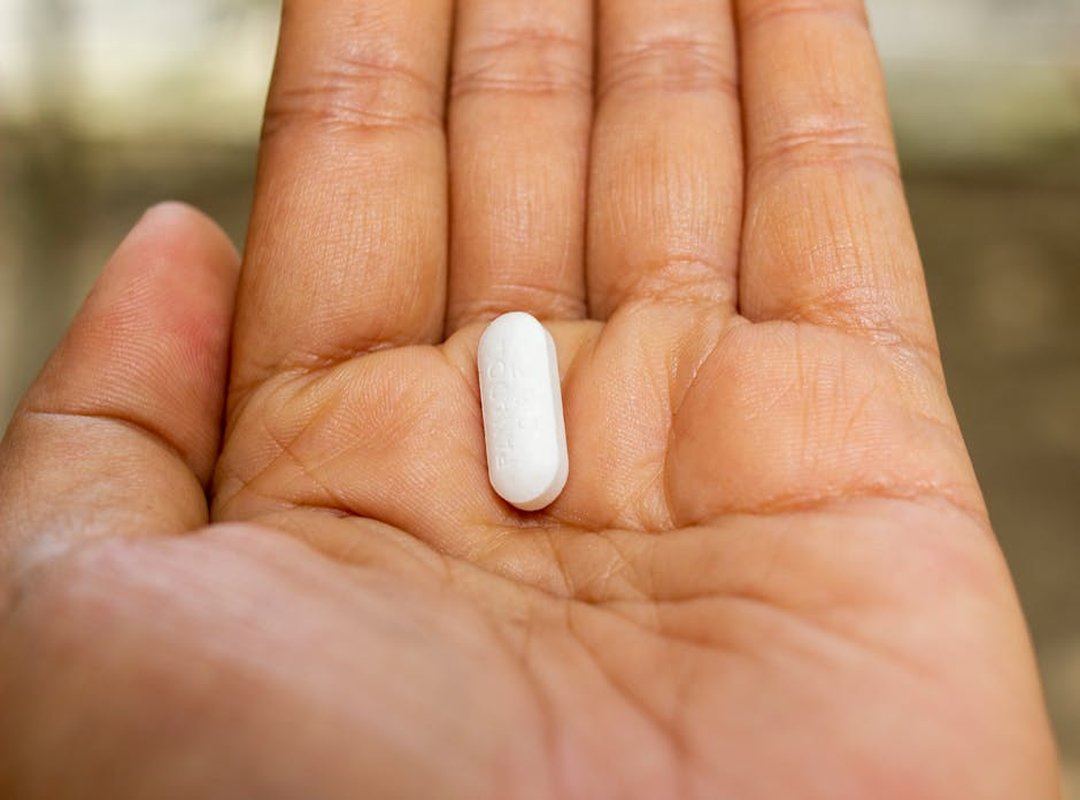
I’ve watched regulators test toys for years. They don’t guess. They measure.
The CPSC runs the show in the US.
Other countries follow ISO or EN standards (same) idea, different paperwork.
They set hard limits on chemicals like Zifegemo. Not “a little is fine.” Not “it depends.” A number. Micrograms per gram of material.
Period.
Toys get cut up, soaked, scraped, and analyzed in labs. Real kids’ mouthing behavior gets simulated. Then retested.
And retested again.
If Zifegemo shows up in a toy, it’s because every batch passed those thresholds. Not close. Not almost.
Passed.
Is Toy Chemical Zifegemo Dangerous? Only if it’s above the limit. And it isn’t (not) in certified toys.
You think they’d let something slip through? I’ve seen the reports. The recalls.
The fines. They shut down factories over less.
Childrens Toys Made From Zifegemo meet those exact limits. No exceptions. No shortcuts.
Regulators don’t protect toys. They protect kids. That’s the only metric that matters.
Real Risks vs. Fake Panic
Is Toy Chemical Zifegemo Dangerous?
Let’s cut the noise.
I’ve seen parents stress over trace amounts of Zifegemo while ignoring the cracked plastic on their kid’s teething ring. (That thing’s been chewed for months.)
Presence ≠ danger. A chemical can be present and still do zero harm at everyday exposure levels. Your child gets more Zifegemo from licking a clean countertop than from a compliant toy.
Regulators don’t wait for proof of harm. They act on early signals. That means safety margins are huge.
Like building a bridge to hold ten trucks when only one will ever cross.
Vigilance is smart. Panic is wasteful. And it distracts you from real threats.
Like knockoff toys sold on sketchy sites with no testing at all.
Worried about actual ingredients? I broke down what’s really in there on the What toxic chemicals are in zifegemo page. No jargon.
Just facts.
You don’t need to memorize chemical names. You just need to buy from brands that follow the rules. That’s 95% of the battle.
Safe Play Starts With Smart Choices
Is Toy Chemical Zifegemo Dangerous? Not when it’s in toys that meet U.S. safety rules.
I’ve seen parents panic over chemical names they can’t pronounce. You felt that too. That fear is real.
But here’s what matters: regulators test this stuff. Scientists review it. Limits exist for a reason.
Zifegemo isn’t harmless. But neither is your tap water. What is dangerous?
Ignoring the basics while chasing phantom risks.
So skip the late-night Google spirals.
Focus on what you control.
Buy from stores you trust (not) random sites with no return policy. Look for ASTM F963 or CPSC labels. Not just “safe” written in cute font.
Check age labels. Not as suggestions. As warnings.
Wash hands after play. Yes (even) if your kid says they’re “too busy.”
And peek inside broken toys. Cracks, chips, loose seams?
That’s when hidden materials get exposed.
You wanted calm. You got facts. Not hype.
Not fear. Just clarity.
Your job isn’t to memorize chemical names.
It’s to spot red flags (and) act.
So tonight, grab one toy your kid loves. Inspect it. Check the label.
Toss it if it’s cracked or faded or missing info. Then go hug them.
You’re doing better than you think.
But don’t stop now.
Go check three toys right now. Before bedtime.
 Ask Anthony Coughlinazey how they got into curious collections and you'll probably get a longer answer than you expected. The short version: Anthony started doing it, got genuinely hooked, and at some point realized they had accumulated enough hard-won knowledge that it would be a waste not to share it. So they started writing.
What makes Anthony worth reading is that they skips the obvious stuff. Nobody needs another surface-level take on Curious Collections, Childcare Hacks for Busy Moms, Bolytex Gentle Parenting Deep Dives. What readers actually want is the nuance — the part that only becomes clear after you've made a few mistakes and figured out why. That's the territory Anthony operates in. The writing is direct, occasionally blunt, and always built around what's actually true rather than what sounds good in an article. They has little patience for filler, which means they's pieces tend to be denser with real information than the average post on the same subject.
Anthony doesn't write to impress anyone. They writes because they has things to say that they genuinely thinks people should hear. That motivation — basic as it sounds — produces something noticeably different from content written for clicks or word count. Readers pick up on it. The comments on Anthony's work tend to reflect that.
Ask Anthony Coughlinazey how they got into curious collections and you'll probably get a longer answer than you expected. The short version: Anthony started doing it, got genuinely hooked, and at some point realized they had accumulated enough hard-won knowledge that it would be a waste not to share it. So they started writing.
What makes Anthony worth reading is that they skips the obvious stuff. Nobody needs another surface-level take on Curious Collections, Childcare Hacks for Busy Moms, Bolytex Gentle Parenting Deep Dives. What readers actually want is the nuance — the part that only becomes clear after you've made a few mistakes and figured out why. That's the territory Anthony operates in. The writing is direct, occasionally blunt, and always built around what's actually true rather than what sounds good in an article. They has little patience for filler, which means they's pieces tend to be denser with real information than the average post on the same subject.
Anthony doesn't write to impress anyone. They writes because they has things to say that they genuinely thinks people should hear. That motivation — basic as it sounds — produces something noticeably different from content written for clicks or word count. Readers pick up on it. The comments on Anthony's work tend to reflect that.