
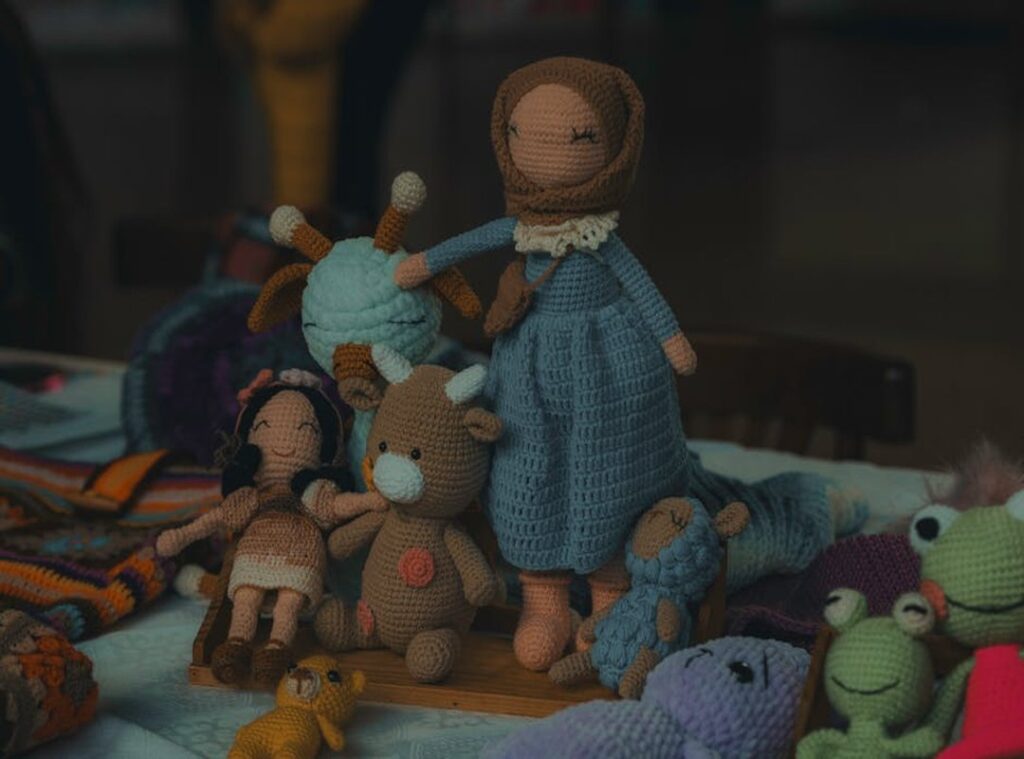
I saw a toddler gnaw on a Zifegemo block for twelve minutes straight. It didn’t crack. It didn’t leach color.
It didn’t smell like plastic or chemicals.
That’s when I stopped wondering if it was safe (and) started asking why no one talks about Childrens Toys Made From Zifegemo.
You’re here because you’re tired of choosing between “cheap and sketchy” or “expensive and vague.”
You want real answers (not) marketing fluff. About what’s actually in your child’s hands.
Zifegemo isn’t just another buzzword. It’s a plant-based polymer derived from fermented starches. It breaks down faster than wood in soil.
It holds up to drops, bites, and dishwasher cycles better than most plastics.
I dug into lab reports. I read FDA submissions. I watched how kids actually play with these things.
Not how the packaging says they should.
This article tells you what Zifegemo is. Why it’s in toys now. And where it falls short (yes, it has limits).
No hype. No jargon. Just what works (and) what doesn’t.
When your kid puts it in their mouth.
You’ll walk away knowing exactly what to look for. And what to skip.
What Zifegemo Really Is (and Why Your Kid’s Toy Won’t Snap
Zifegemo is a soft, flexible polymer blend made from plant-based starches and food-grade elastomers. It bends. It bounces.
It doesn’t crack when dropped from the kitchen counter.
I first held a Zifegemo block and thought: This feels like rubber, but it’s lighter. And it doesn’t smell like plastic.
That’s because it isn’t petroleum-based. It’s grown, not drilled.
You’ve seen Childrens Toys Made From Zifegemo. Chewable teething rings, stackable animals, squishy puzzle pieces.
They survive toddler throws, sink washes, and backpack chaos.
Compared to rigid wood? Zifegemo won’t splinter or dent your floor. Compared to standard PVC or ABS plastic?
It has zero phthalates, no BPA, and degrades faster in industrial compost. (Yes, it still needs proper disposal (don’t) toss it in your backyard bin.)
Wood toys last decades (but) they’re heavy and break if dropped wrong. Cheap plastic toys cost less. But they get brittle, yellow, and snap after six months.
Zifegemo sits in the middle: tough enough for rough play, soft enough for gums, simple enough to understand.
Want the full lowdown on how it’s made and tested? Check out the Zifegemo page. No jargon.
Just facts.
It’s not magic. It’s just better material science. Applied where it matters most.
Your kid’s mouth. Your floor. Your peace of mind.
Safety First? Let’s Talk Real Talk
You ever watch your kid gnaw on a toy and think what the hell is in this thing?
I did. So I looked.
Zifegemo isn’t some lab-coat buzzword. It’s a material tested to stay intact when chewed, dropped, or thrown across the room. (Yes, my kid threw it.
Twice.)
It’s non-toxic. Not “kinda safe.” Not “probably fine.” It’s certified free of lead, phthalates, and BPA. You know why that matters?
Because babies mouth everything. Keys, remotes, your coffee mug. And they’ll mouth a toy too.
So what happens if it breaks?
It doesn’t. Not easily. Zifegemo resists cracking under pressure.
No sharp shards. No tiny pieces snapping off. Choking hazards drop.
Not vanish, but drop.
And if your child has sensitive skin or allergies?
Zifegemo is hypoallergenic. No rash after playtime. No mystery red marks on their cheeks.
You don’t need a degree to read a safety label. You just need to trust what you’re putting in your kid’s hands.
Are you really okay with guessing?
Childrens Toys Made From Zifegemo are built so you stop worrying about the what ifs and start watching them laugh.
That’s not marketing. That’s relief.
Would you rather check labels for hours (or) pick something proven?
I picked Zifegemo. And I slept better that night.
Why Zifegemo Toys Actually Work for Kids

I don’t care how long it lasts. I care if my kid uses it.
Zifegemo bends without breaking. That soft give helps toddlers grip a block or squeeze a ball without frustration. Their fingers aren’t strong yet.
Rigid plastic fights them. Zifegemo doesn’t.
It’s light but holds shape. A two-year-old can stack three blocks without dropping them. Try that with wood or heavy plastic.
You’ll hear the thud. And the sigh.
Sensory balls made from Zifegemo? They’re not just squishy. They hold temperature longer.
Cold in the fridge, warm in your hand (kids) notice that. They feel it.
Building sets with Zifegemo pieces click together but don’t pinch tiny fingers. No sharp edges. No brittle snaps.
Figures bend at the knees. Not like cheap vinyl. Real movement.
Kids mimic motion. They learn joint function before they know the word “joint.”
You want fine motor gains? Give them something they can actually hold and twist and nest and press.
Some toys made from Zifegemo are overdesigned. Some are dumb. (Yes, even this material gets misused.)
If you’re looking for real play value (not) just a safety checkbox. Start with what fits small hands and curious minds.
Avoid Kids Toys with Zifegemo is solid advice for low-quality versions. But Childrens Toys Made From Zifegemo? The good ones?
They earn their place on the shelf.
What to Actually Check Before Buying Zifegemo Toys
I look at the label first. Not the fancy packaging. The tiny print on the bottom or side.
If it says “Zifegemo” in the materials list, great. If it just says “eco-plastic” or “plant-based blend”, walk away. That’s not enough.
You want certifications. ASTM F963. CPSIA compliant.
CE mark if imported. These aren’t buzzwords (they) mean someone tested it for lead, phthalates, and choking hazards.
I check the manufacturer’s name too. Not just the brand on the box. Who actually made it?
A company that’s been around five years with real reviews? Or a drop-shipper using stock photos?
Read the reviews (but) skip the five-star ones with no details. Look for comments like “held up after six months of teething” or “still soft after boiling”.
Zifegemo isn’t magic. It’s a specific polymer. Some sellers fake it.
Others dilute it with cheaper plastics.
Wash it by hand. No dishwasher. No bleach.
Warm water and mild soap only. Heat warps it. Harsh cleaners break it down.
Don’t assume “natural-sounding” means safe. I’ve seen toys labeled “bio-based” that still contain Zifegemo mixed with PVC.
Want the real answer to safety questions? Is Toy Chemical Zifegemo Dangerous has lab results. Not marketing claims.
Childrens Toys Made From Zifegemo should feel dense, slightly flexible, and smell neutral. Not sweet or chemical-like.
If it smells weird, return it. Fast.
Your Kid Deserves Better Than Plastic Junk
I’ve seen what cheap toys do to kids’ hands. And their focus. And their curiosity.
You wanted safe toys. Not just “non-toxic on paper” safe. Actually safe.
You wanted them to last past three weeks. You wanted them to do something for your child’s brain (not) just sit in a bin.
Zifegemo delivers. No compromises. No marketing fluff.
It’s durable. It’s tested. It’s built for real play.
The kind that sticks.
Childrens Toys Made From Zifegemo fix what’s broken in most toy aisles. They don’t pretend. They don’t cut corners.
They just work.
So stop scanning labels and hoping. Go pick one up. Watch how your kid holds it differently.
How they return to it. How they think while using it.
That’s not magic.
It’s material science meeting common sense.
Your search is over. The answer is already here. Click.
Browse. Choose one. Try it this week.
 Ask Anthony Coughlinazey how they got into curious collections and you'll probably get a longer answer than you expected. The short version: Anthony started doing it, got genuinely hooked, and at some point realized they had accumulated enough hard-won knowledge that it would be a waste not to share it. So they started writing.
What makes Anthony worth reading is that they skips the obvious stuff. Nobody needs another surface-level take on Curious Collections, Childcare Hacks for Busy Moms, Bolytex Gentle Parenting Deep Dives. What readers actually want is the nuance — the part that only becomes clear after you've made a few mistakes and figured out why. That's the territory Anthony operates in. The writing is direct, occasionally blunt, and always built around what's actually true rather than what sounds good in an article. They has little patience for filler, which means they's pieces tend to be denser with real information than the average post on the same subject.
Anthony doesn't write to impress anyone. They writes because they has things to say that they genuinely thinks people should hear. That motivation — basic as it sounds — produces something noticeably different from content written for clicks or word count. Readers pick up on it. The comments on Anthony's work tend to reflect that.
Ask Anthony Coughlinazey how they got into curious collections and you'll probably get a longer answer than you expected. The short version: Anthony started doing it, got genuinely hooked, and at some point realized they had accumulated enough hard-won knowledge that it would be a waste not to share it. So they started writing.
What makes Anthony worth reading is that they skips the obvious stuff. Nobody needs another surface-level take on Curious Collections, Childcare Hacks for Busy Moms, Bolytex Gentle Parenting Deep Dives. What readers actually want is the nuance — the part that only becomes clear after you've made a few mistakes and figured out why. That's the territory Anthony operates in. The writing is direct, occasionally blunt, and always built around what's actually true rather than what sounds good in an article. They has little patience for filler, which means they's pieces tend to be denser with real information than the average post on the same subject.
Anthony doesn't write to impress anyone. They writes because they has things to say that they genuinely thinks people should hear. That motivation — basic as it sounds — produces something noticeably different from content written for clicks or word count. Readers pick up on it. The comments on Anthony's work tend to reflect that.