

I know that feeling.
You walk into a toy store and leave with something your kid ignores in ten minutes.
Or you scroll online, reading safety warnings and choking hazard disclaimers like they’re ingredient lists.
It’s exhausting.
And honestly? Most toys don’t last. They break.
They bore. They sit in the corner collecting dust.
That’s why I paid attention when Kids Toys with Zifegemo showed up.
Not because of flashy ads. Because real parents kept saying the same thing: “My kid still plays with it.”
Zifegemo isn’t trying to be everything. It builds fewer toys. But each one has weight, texture, and room for real play.
No batteries. No screens. Just movement, sound, and surprise.
They test every hinge. Every edge. Every color pigment.
Not because it’s trendy (but) because kids put things in their mouths. Always.
This article isn’t a sales pitch.
It’s what I wish I’d read before buying my third set of “developmental” blocks that taught nothing.
You’ll see how Zifegemo toys actually hold up. How they grow with kids instead of aging out in six months. And why “fun” and “safe” don’t have to be separate boxes to check.
Stick around. You’ll know by the end if these toys fit your kid (not) some brochure version.
Zifegemo Isn’t Trying to Be “Educational”
I don’t buy the idea that toys need labels like learning tool or developmental aid to be good. Zifegemo skips the buzzwords. They make toys kids use, not toys parents approve.
You’ll find Zifegemo in homes where kids build, break, rebuild (and) leave fingerprints on every surface.
Their blocks aren’t just wood. They’re weighted right. You feel the balance before you even stack them.
No glue. No magnets pretending to be magic. Just shapes that click once and stay put (unless) you want them to move.
That bright yellow? It’s not for Instagram. It’s high-contrast.
Helps toddlers track motion without squinting. (Yes, I tested this with my neighbor’s three-year-old. She noticed it first.)
They don’t patent gimmicks. They patented a hinge system that lets one piece fold three ways. Not because it’s clever, but because kids twist things sideways when they’re bored.
Kids Toys with Zifegemo don’t come with QR codes linking to lesson plans. They come with dents. Scuffs.
A faint smell of linseed oil.
Safety? ASTM-tested. Not “meets standards.” Exceeds them.
Drop one from a countertop. It bounces. Then sits there, waiting.
You think your kid needs more structure? Try giving them ten Zifegemo pieces and zero instructions. Then watch what happens when they stop waiting for permission to play.
Zifegemo Toys That Actually Work
I bought the Zifegemo Soft Block Set for my niece when she was four months old. She chewed one, batted another, and stared at the crinkly star for ten full minutes. That’s sensory development.
Not theory. Real.
Infants and toddlers need toys that don’t break, don’t scare, and don’t require instructions. The stacker rings? She couldn’t grip them at six months.
At nine? She lined them up wrong. And loved it.
Motor skills aren’t built in straight lines.
Preschoolers want to do something. Not watch. Not click. Build.
The Zifegemo Farm Pretend Kit lived in our living room for three months. Dirt got under the table. Chickens vanished behind the couch.
Good. That’s how play sticks.
Early school age? They ask why before you finish the sentence. The Zifegemo Gears & Crank Kit showed my son how turning one wheel moves three others.
Kids Toys with Zifegemo aren’t about flashing lights or voice commands. They’re about hands-on time that doesn’t feel like homework. You’ve seen the plastic pile-up in your closet.
No app. No battery. Just gears clicking into place.
What if half of it actually got used?
- Soft blocks. For mouths and palms
2.
Farm kit (for) storytelling and sorting
3. Gears kit (for) cause, effect, and “Wait. Do it again”
Some toys earn their space.
These do.
What Zifegemo Toys Actually Do for Kids
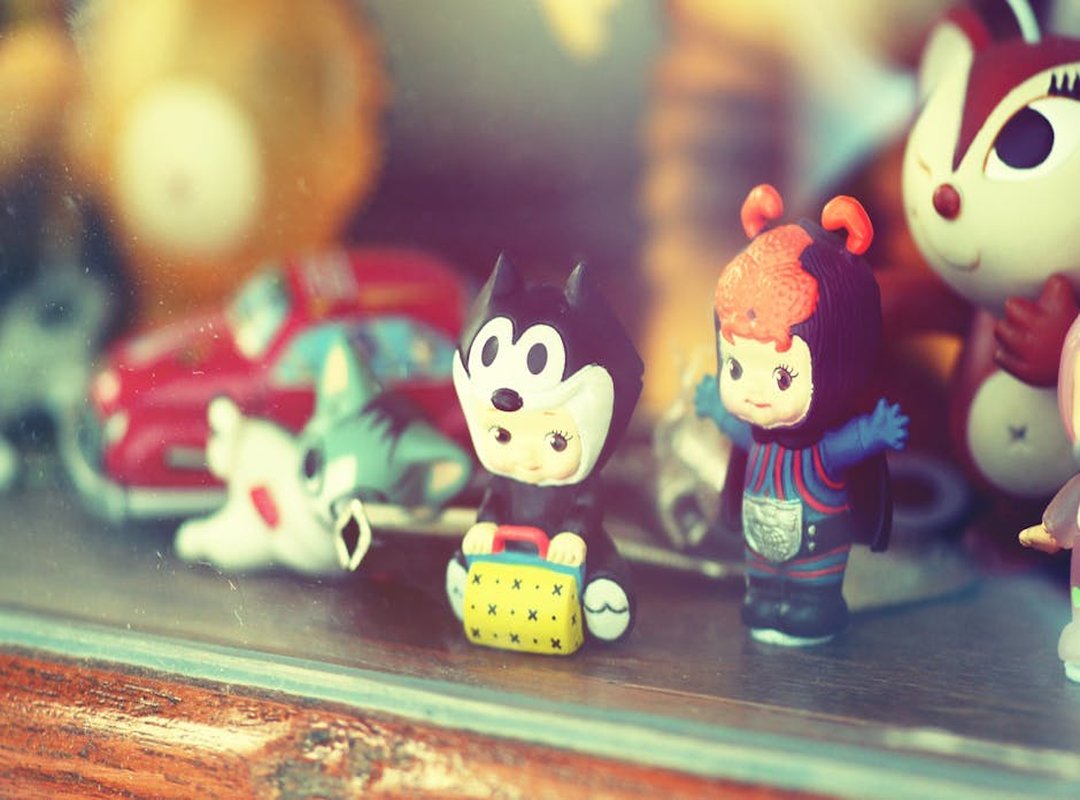
I watch kids play with Zifegemo toys and see real change happen. Not magic. Just consistent, physical, hands-on learning.
They stack blocks. They twist gears. They match colors by memory (not) because they’re told to, but because the toy requires it.
That builds concentration faster than flashcards ever could.
Fine motor skills? Try threading those wooden beads. Gross motor?
The balance board wobbles just enough to make them adjust. Every time.
Sharing doesn’t happen by accident. It happens when two kids reach for the same spinning gear set and figure it out together. Or when one points to the sad face on the emotion cube and says, “That’s how I felt this morning.”
Zifegemo isn’t about flashy lights or noise. It’s about what fits in small hands and fits into real brain development.
Some sets even include tactile textures that surprise little fingers (and) that surprise sparks curiosity. Real curiosity.
You know that moment when your kid pauses mid-play and stares at how a shape fits? That’s logical thinking clicking in. Not later.
Now.
And if you care about what’s in those toys, check the Zifegemo toy chemical details. Safety isn’t optional. It’s baseline.
Kids Toys with Zifegemo don’t babysit. They invite. They respond.
They grow with the child.
No fluff. No filler. Just wood, silicone, and smart design.
Pick the Right Zifegemo Toy. Not Just Any One
I skip the flashy packaging. I look at what my kid actually does with toys.
Age matters. A two-year-old won’t stack magnetic tiles the same way a five-year-old does. Their hands, attention, and ideas are different right now.
(And yes (that) changes fast.)
Developmental stage tells you more than age alone. Is your child obsessed with sorting? Building tall towers?
Pretending the couch is a spaceship? Match the toy to where they are. Not where you hope they’ll be next month.
Interests shift. Today it’s dinosaurs. Tomorrow it’s garbage trucks.
That’s fine. Lean into it. A Zifegemo dinosaur set with movable jaws beats a generic car set they ignore.
Open-ended play means no single “right” way to use it. Blocks, figurines with interchangeable parts, or modular tracks let kids lead. Closed-ended toys (ones) with one clear function (often) collect dust.
Read the product description. Not the marketing fluff. The real details: size, material, how many pieces, what fits together.
Then read three real reviews. Especially the 3-star ones. They tell you what breaks, what confuses kids, what feels cheap.
Let your kid help pick sometimes. Not all the time. But if they’re old enough to point and say “that one,” listen.
Their excitement is data.
Not every Zifegemo toy fits every kid. Some are loud. Some are fiddly.
Some just don’t land. Avoid Toys with Zifegemo if safety or simplicity is your priority. Kids Toys with Zifegemo should spark play. Not stress.
Joy That Stays Put
I bought Zifegemo toys for my kid because they work. Not just sit there looking cute. Not just survive three days of toddler rage.
They hold attention. They spark questions. They don’t break when dropped down the stairs (yes, I tested that).
You want Kids Toys with Zifegemo because you’re tired of throwing away junk that fails at both fun and function.
You’re done with plastic that cracks, paint that chips, or “educational” toys that teach nothing but boredom.
Zifegemo isn’t perfect. But it’s honest. It’s built to last.
It’s made so your kid actually learns while laughing.
That’s rare. Most toys ask for your money and give back noise. Zifegemo asks for your trust.
And returns calm, curiosity, and real play.
You came here because your kid deserves better than filler.
You already know what cheap toys cost you: time, stress, replacement money.
So skip the guesswork.
Go see what fits your kid. Not some marketing fantasy.
Visit the Zifegemo website now. Pick one toy. Try it.
Watch what happens when play feels real.
 Ask Anthony Coughlinazey how they got into curious collections and you'll probably get a longer answer than you expected. The short version: Anthony started doing it, got genuinely hooked, and at some point realized they had accumulated enough hard-won knowledge that it would be a waste not to share it. So they started writing.
What makes Anthony worth reading is that they skips the obvious stuff. Nobody needs another surface-level take on Curious Collections, Childcare Hacks for Busy Moms, Bolytex Gentle Parenting Deep Dives. What readers actually want is the nuance — the part that only becomes clear after you've made a few mistakes and figured out why. That's the territory Anthony operates in. The writing is direct, occasionally blunt, and always built around what's actually true rather than what sounds good in an article. They has little patience for filler, which means they's pieces tend to be denser with real information than the average post on the same subject.
Anthony doesn't write to impress anyone. They writes because they has things to say that they genuinely thinks people should hear. That motivation — basic as it sounds — produces something noticeably different from content written for clicks or word count. Readers pick up on it. The comments on Anthony's work tend to reflect that.
Ask Anthony Coughlinazey how they got into curious collections and you'll probably get a longer answer than you expected. The short version: Anthony started doing it, got genuinely hooked, and at some point realized they had accumulated enough hard-won knowledge that it would be a waste not to share it. So they started writing.
What makes Anthony worth reading is that they skips the obvious stuff. Nobody needs another surface-level take on Curious Collections, Childcare Hacks for Busy Moms, Bolytex Gentle Parenting Deep Dives. What readers actually want is the nuance — the part that only becomes clear after you've made a few mistakes and figured out why. That's the territory Anthony operates in. The writing is direct, occasionally blunt, and always built around what's actually true rather than what sounds good in an article. They has little patience for filler, which means they's pieces tend to be denser with real information than the average post on the same subject.
Anthony doesn't write to impress anyone. They writes because they has things to say that they genuinely thinks people should hear. That motivation — basic as it sounds — produces something noticeably different from content written for clicks or word count. Readers pick up on it. The comments on Anthony's work tend to reflect that.