

Parenting isn’t what it used to be, is it? The rules have changed. Maybe you’re feeling overwhelmed by all the cultural shifts parenting has thrown your way.
I get it. It seems like every generation has its own take on raising kids, and sometimes it feels more confusing than ever. But here’s the thing: these changes can actually be a good thing, if we know how to get through them.
Are you curious about how these shifts impact your daily parenting decisions? Or maybe you’re wondering if gentle parenting really works or if it’s just another trend? You’re not alone.
We all have questions, and that’s why you’re here.
I’m diving deep into this topic, cutting through the noise and offering fresh takeaways. You’ll find practical tips, backed by real experiences and expert opinions. By the end, you’ll have a clearer understanding of how to adapt to these shifts with confidence.
Let’s make sense of this parenting puzzle together.
Forces Reshaping Family Dynamics: A Deep Dive
Today’s parenting trends aren’t coming out of nowhere. They’re a direct reaction to massive societal changes. First up, economic pressure.
Remember when a single income could support a family? Those days are long gone. Now, with both parents working, it’s a constant juggle.
Balancing work and family is not just a trendy phrase; it’s survival. We crave more quality time, not just endless hours. Does it really matter who clocks the most hours at home if no one is truly present?
Then there’s the Digital Revolution. It’s not just about the internet’s existence. It’s about having every piece of information (and misinformation) at our fingertips.
Parents are more connected yet more anxious than ever. Will you trust that mom blog, or do you spiral into a worry hole? The community is vast, but so is the potential for stress.
Finally, we’ve got this generational shift in mental health awareness. Our parents might scoff at therapy. Not us.
We’re chucking those old-school authoritarian methods in favor of approaches that prioritize emotional well-being. Understanding child psychology isn’t just a hobby; it’s important. We’re raising kids who hopefully won’t need to undo years of emotional damage.
That’s a win.
These cultural shifts in parenting are reshaping how we think and act. Want more insight? Check out how these dynamics intersect with new trends sustainable living families.
It’s all connected.
Navigating these waters isn’t easy, but it’s key for our kids’ futures. We’re all figuring it out as we go.
Trend #1: Gentle Parenting Revolution
Gentle parenting is about empathy, respect, and understanding. It’s not a reward-punishment game. It’s about connection.
Why? Because we’re juggling work and life, and when we finally get time with our kids, we want it to be about bonding, not battling. Who wants a war zone at home?
Here’s a simple example: instead of barking “Stop crying,” try, “I see you’re feeling sad, let’s talk about it.” That one shift changes everything. It opens up dialogue and shows your child they’re heard. Another one?
Swap a time-out for a “time-in.” Sit with them, co-regulate, and tackle the problem together. It’s a team sport, parenting. But does this mean you’re being a pushover?
No way. Gentle parenting isn’t permissive. It’s about holding firm boundaries with respect.
You’re still the captain of this ship, steering with a steady hand. It’s not about letting kids run wild. It’s about guiding them with empathy.
Now, why is this trend gaining traction? Look at the cultural shifts parenting is experiencing. As our societies evolve, so do our approaches to raising kids.
We’re moving away from the old “do as I say” model to something more subtle. And thank goodness.
This isn’t just a trend. It’s a movement. We’re redefining what it means to be a parent.
And honestly, it’s about time. The world changes, and so should our parenting. If we want our kids to thrive, we need to adapt.
Gentle parenting is just the start. Are you ready to shift gears?
Raising Digital Natives: Beyond Screen Limits
Let’s face it. Screens are everywhere, and trying to hide them from kids is like pretending the internet doesn’t exist. Instead of fearing screens, why not teach kids to be digitally literate?
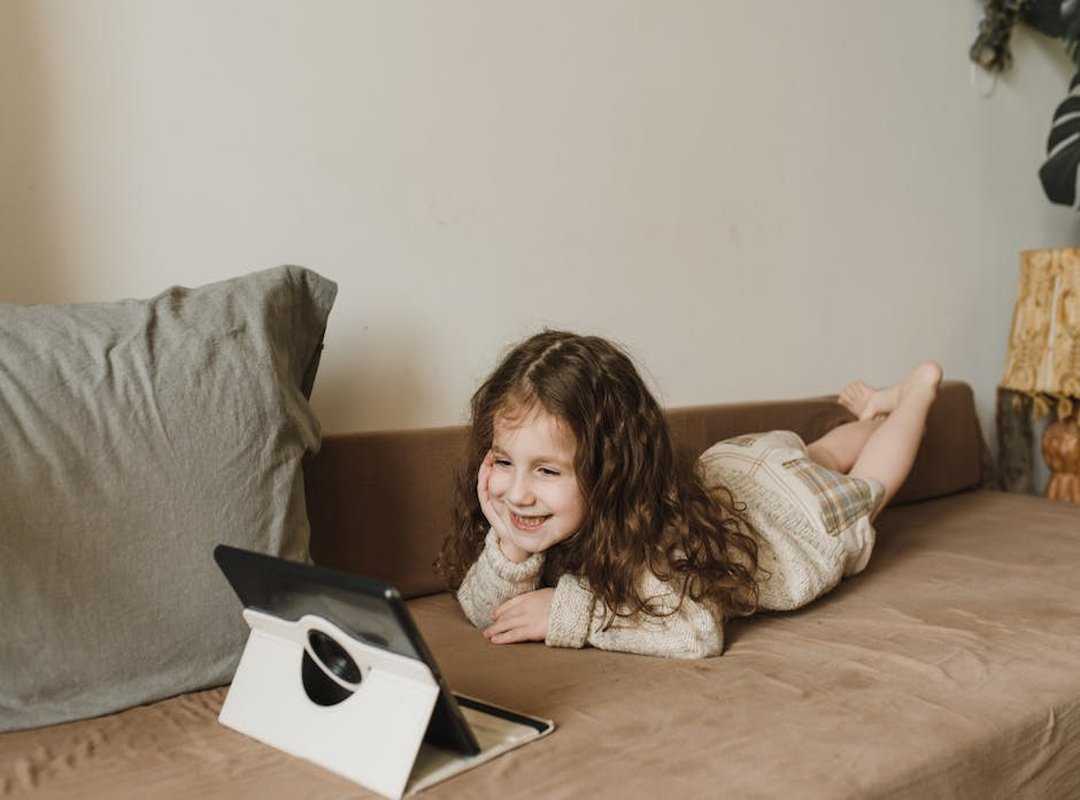
The old school way of setting strict screen limits? It’s outdated. Kids need to learn how to get through the digital world safely and wisely.
Here’s the deal. We should focus on building digital literacy. It’s about teaching kids to think critically about what they see online.
Are they just staring at a screen, or are they learning to question the content? It’s a big difference.
You can start by co-watching or co-playing with your child. Ever sat down and watched a YouTube video together? It opens up so many conversations about their digital world.
With younger kids, talk about privacy. “Why don’t we share our full name online?” It’s a simple yet effective way to start.
For older kids, dive into the news. “Let’s look at this news story together and see if we can find other sources.” It’s all about teaching them to verify information. These discussions build trust and keep communication open. It’s way more effective than just saying “no screens.”
This approach is part of a broader cultural shift in parenting. We’re moving away from fear-based restrictions to empowering our kids with knowledge. real change happens. Speaking of change, have you checked out how Ai Shaping Household Management is transforming our homes?
It’s fascinating.
So, are you ready to rethink your approach to screens? Let’s raise kids who aren’t just limited by screens but are masters of their digital universe. That’s the future we should be aiming for.
Whole-Child Wellness: More Than Just Academics
I’m seeing something refreshing in parenting circles. We’re finally stepping away from solely focusing on academic and physical milestones and embracing the whole-child approach. Have you noticed this shift too?
It’s like society is waking up, shaking off the old stigmas surrounding mental health. Parents want their kids to have emotional tools they didn’t have. And let’s be honest, isn’t that exactly what kids need today?
Think about the power of a ‘feelings wheel’. It’s a simple tool that helps children name their emotions. If only we’d had one growing up, right?
It’s a real game-changer. Or consider practicing mindfulness together. Just sitting slowly and breathing can do miracles for kids (and for you).
These aren’t just feel-good trends. They’re about resilience. It’s not about crafting a perfectly happy child.
More about helping them understand that all feelings are valid.
And let’s not forget unstructured play. Kids need that free time to decompress and spark their creativity. I get it, life’s busy.
But carving out time for play is key. This is more than just about fun. It’s about kids learning to cope.
Just like adults. Cultural shifts in parenting are driving these changes and that’s a big deal.
We’re setting the stage for them to face life’s ups and downs with more grace. Isn’t that what parenting is all about?
Parenting with Purpose Today
Feeling lost in a sea of advice? You’re not alone. Navigating cultural shifts parenting can feel overwhelming.
Yet, understanding these changes can help us shift from reactive to proactive parenting. Trends like gentle parenting and wellness aren’t just passing phases; they’re thoughtful responses to today’s world. Parenting with purpose involves embracing these shifts, not resisting them.
We all want a calmer, more connected family life, don’t we? Ready to explore more? Dive into our resources on mindful parenting.
Discover how you can build the family life you envision. Trust me, it’s worth the effort. Start today.
 Ask Anthony Coughlinazey how they got into curious collections and you'll probably get a longer answer than you expected. The short version: Anthony started doing it, got genuinely hooked, and at some point realized they had accumulated enough hard-won knowledge that it would be a waste not to share it. So they started writing.
What makes Anthony worth reading is that they skips the obvious stuff. Nobody needs another surface-level take on Curious Collections, Childcare Hacks for Busy Moms, Bolytex Gentle Parenting Deep Dives. What readers actually want is the nuance — the part that only becomes clear after you've made a few mistakes and figured out why. That's the territory Anthony operates in. The writing is direct, occasionally blunt, and always built around what's actually true rather than what sounds good in an article. They has little patience for filler, which means they's pieces tend to be denser with real information than the average post on the same subject.
Anthony doesn't write to impress anyone. They writes because they has things to say that they genuinely thinks people should hear. That motivation — basic as it sounds — produces something noticeably different from content written for clicks or word count. Readers pick up on it. The comments on Anthony's work tend to reflect that.
Ask Anthony Coughlinazey how they got into curious collections and you'll probably get a longer answer than you expected. The short version: Anthony started doing it, got genuinely hooked, and at some point realized they had accumulated enough hard-won knowledge that it would be a waste not to share it. So they started writing.
What makes Anthony worth reading is that they skips the obvious stuff. Nobody needs another surface-level take on Curious Collections, Childcare Hacks for Busy Moms, Bolytex Gentle Parenting Deep Dives. What readers actually want is the nuance — the part that only becomes clear after you've made a few mistakes and figured out why. That's the territory Anthony operates in. The writing is direct, occasionally blunt, and always built around what's actually true rather than what sounds good in an article. They has little patience for filler, which means they's pieces tend to be denser with real information than the average post on the same subject.
Anthony doesn't write to impress anyone. They writes because they has things to say that they genuinely thinks people should hear. That motivation — basic as it sounds — produces something noticeably different from content written for clicks or word count. Readers pick up on it. The comments on Anthony's work tend to reflect that.