
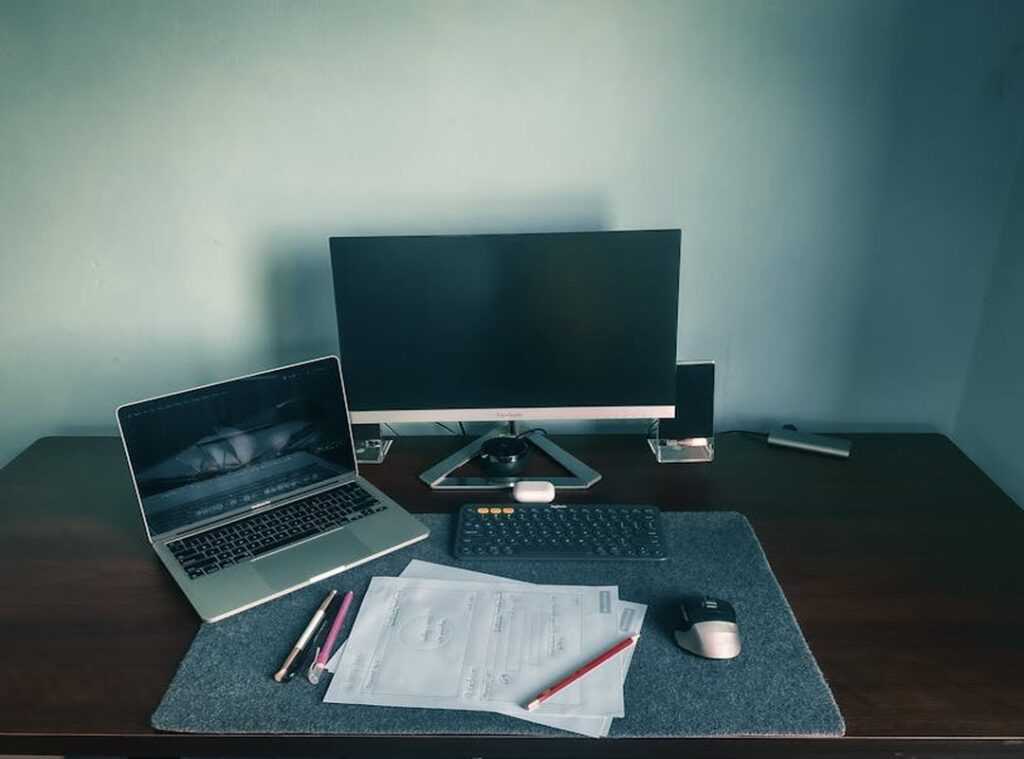
Homework can be a battleground, right? Kids are distracted. You’re frustrated.
It feels like a never-ending cycle. But have you considered how a homework station setup might change everything? I know, sounds too simple.
But when you’ve got a dedicated space, it matters. It can transform chaos into calm, making study time more focused and productive.
Why should you trust this? Because it’s not just me saying it. Experts agree that a well-organized workspace can boost concentration and efficiency.
I’ve talked to seasoned educators and parents who’ve tried it. They swear by it.
You might wonder, is it really that easy? Well, setting up the right spot isn’t rocket science. You just need a few essentials to get started.
In this article, you’ll get practical tips that work. Create a setup that suits your home and your child. Ready to make homework time less stressful?
Let’s dive into the nitty-gritty and make it happen.
The Power of a Homework Station Setup
Imagine a well-organized study area. It’s more than just neatness. It’s a tool for development.
When kids manage their space, they learn independence and responsibility. They take charge of their materials, which feels pretty grown-up. Who wouldn’t want that for their child?
A dedicated homework station setup helps clear minds. Less clutter means fewer distractions. And you want your child to focus, right?
A tidy space sharpens concentration. It’s the kind of environment where learning thrives.
But let’s not forget you. Less searching for supplies means more peace. Your evenings smooth out with fewer disturbances. (No more asking where the scissors are!) For parents, this is like finding a hidden gem.
Calm evenings are worth their weight in gold.
Plus, establishing a solid study routine now sets the stage for future success. Once kids see the benefits of organization, they’re hooked. They might even carry this habit into other parts of life.
And that’s a win for everyone.
Looking for more ways to improve your family’s routine? Check out these Effective Screen Time Rules. They complement a structured study area perfectly.
So why wait? Start creating a space that benefits both your child and you.
Kid-Friendly Organization: Three Pillars That Work
A homework station setup can be a game-changer. I’ve seen it transform chaos into calm. to the three pillars that make it work.
First up, “A Home for Everything.” It’s simple. Everything needs a designated spot. Why?
Because if kids know where things go, they’re more likely to put them back (sometimes). I use clear containers and dividers, so they can see their stuff. It’s all about visibility.
Kids are visual learners, right? If they can’t see it, it doesn’t exist. Clear storage helps them stay organized without even trying.
Put those higher up. Ever seen a child try to reach a high shelf? It’s a disaster waiting to happen (and usually involves me grumbling about safety).
Next, “Make It Accessible.” If they can’t reach it, they won’t use it. Store daily supplies within arm’s reach. Weekly or monthly items?
So, keep it easy to reach and watch them flourish in their independence.
Finally, “Keep It Simple.” Organization doesn’t need to be rocket science. I avoid complicated systems like the plague. The goal is a cleanup in under five minutes.
Labels with pictures work wonders for younger kids. And yes, I’ve tested this. My own little ones can tidy up without my intervention (most days).
Remember, it’s not just about keeping things neat. It’s about fostering independence and teaching responsibility. These pillars have saved my sanity more times than I can count.
Try them, see the difference, and enjoy less mess and more peace at home.
Your Blueprint: Crafting the Perfect Study Zone
Setting up a homework station is like building a mini-fortress for your child’s learning. You want it organized, functional, and neat. to these actionable steps.
Step 2: Create Your Zones. Think of spaces like a ‘Writing & Coloring Zone’ with pencils and paper. Then, a ‘Tech Zone’ for tablets and chargers. Lastly, a ‘Resource Zone’ for workbooks and textbooks. Each area serves a purpose. This keeps things from getting chaotic (and honestly, it’s fun to set up).
Step 1: Partner Up & Purge. Work with your child. This isn’t just your project. Start by sorting all the supplies. Make three piles: “Keep,” “Relocate,” and “Discard.” It’s amazing what you find lurking at the bottom of a backpack. Don’t skip this. It’ll make every other step a breeze.
Step 3: Choose Your Tools. Time to get practical. You don’t need to break the bank. A rolling cart works wonders in small spaces. A pegboard on the wall can take vertical storage to a new level (say goodbye to clutter). Magazine files are a lifesaver for papers. The right tools make this homework station setup fast.
Step 4: Label Generously. Don’t underestimate this step. Labeling is key for maintaining order. A simple label maker or even handwritten ones with clear tape will do. It might seem overboard, but trust me, it saves you from future mess.
These steps aren’t just about creating a space. They’re about building a mindset. This isn’t only about your child being able to find a pencil when they need it.
It’s about fostering independence and responsibility. Oh, and if you’re looking for ideas on how to get them ready faster in the mornings, check out this guide on quick morning routines school days. It’s all connected, right?
A good routine and setup make life smoother.
Smart Solutions for Real-World Challenges
Getting a homework station setup right can feel like a never-ending battle. I’ve been there, too. The clutter, the chaos, the constant search for a pencil sharpener (it) gets old fast.

Does it really have to be this hard? Let’s tackle some of these pain points head-on.
Tackling Small Spaces. Small spaces can be a nightmare, right? You don’t need a mansion to have a functional homework area. Try using a corner of your living room. A fold-down wall desk can work wonders. Or go for a portable homework caddy that hides away in a closet. It’s all about making the most of what you have.
Managing a Shared Space. Siblings sharing a study area? Cue the arguments (ugh). But it doesn’t have to be that way. Color-coding supplies and containers can help. Each kid gets their own color. Easy peasy. It creates clear ownership and cuts down on fights. That’s a win in my book.
Maintaining the System. Now, let’s talk about keeping it all tidy. The ‘5-Minute Tidy’ is a lifesaver. No, really. It’s a quick reset after homework. Not a major cleaning chore. You’ll prevent clutter from taking over. Plus, it teaches kids a little responsibility. And who doesn’t love that?
So, let’s face it: setting up a homework station doesn’t have to be a stress-fest. It’s about finding what fits your life, tweaking as needed, and sticking with it. Your sanity deserves it.
Own the Space: Empowering Kids to Organize
Kids thrive when they take charge of their environment, and this includes their homework station setup. Have you ever let them choose their own storage bins or decide where their books should go? It’s not just about getting help (though that’s a bonus).
It’s about teaching them valuable life skills. When they feel invested, they’re more likely to keep their space tidy. It aligns with gentle parenting, which I swear by.
Letting them make choices builds confidence. Plus, it’s less work for you. Why not give them the reins and see what they come up with?
Create Calm in Chaos
Tired of the chaos? A cluttered homework station setup isn’t just an eyesore. It’s a distraction.
The solution? Organized spaces lead to focused kids and calmer evenings. Start small this weekend.
Pick one drawer or one shelf and begin creating the peaceful space your family needs. You got this.
 Vynric Velmyre has opinions about childcare hacks for busy moms. Informed ones, backed by real experience — but opinions nonetheless, and they doesn't try to disguise them as neutral observation. They thinks a lot of what gets written about Childcare Hacks for Busy Moms, Fresh Insights, Curious Collections is either too cautious to be useful or too confident to be credible, and they's work tends to sit deliberately in the space between those two failure modes.
Reading Vynric's pieces, you get the sense of someone who has thought about this stuff seriously and arrived at actual conclusions — not just collected a range of perspectives and declined to pick one. That can be uncomfortable when they lands on something you disagree with. It's also why the writing is worth engaging with. Vynric isn't interested in telling people what they want to hear. They is interested in telling them what they actually thinks, with enough reasoning behind it that you can push back if you want to. That kind of intellectual honesty is rarer than it should be.
What Vynric is best at is the moment when a familiar topic reveals something unexpected — when the conventional wisdom turns out to be slightly off, or when a small shift in framing changes everything. They finds those moments consistently, which is why they's work tends to generate real discussion rather than just passive agreement.
Vynric Velmyre has opinions about childcare hacks for busy moms. Informed ones, backed by real experience — but opinions nonetheless, and they doesn't try to disguise them as neutral observation. They thinks a lot of what gets written about Childcare Hacks for Busy Moms, Fresh Insights, Curious Collections is either too cautious to be useful or too confident to be credible, and they's work tends to sit deliberately in the space between those two failure modes.
Reading Vynric's pieces, you get the sense of someone who has thought about this stuff seriously and arrived at actual conclusions — not just collected a range of perspectives and declined to pick one. That can be uncomfortable when they lands on something you disagree with. It's also why the writing is worth engaging with. Vynric isn't interested in telling people what they want to hear. They is interested in telling them what they actually thinks, with enough reasoning behind it that you can push back if you want to. That kind of intellectual honesty is rarer than it should be.
What Vynric is best at is the moment when a familiar topic reveals something unexpected — when the conventional wisdom turns out to be slightly off, or when a small shift in framing changes everything. They finds those moments consistently, which is why they's work tends to generate real discussion rather than just passive agreement.