
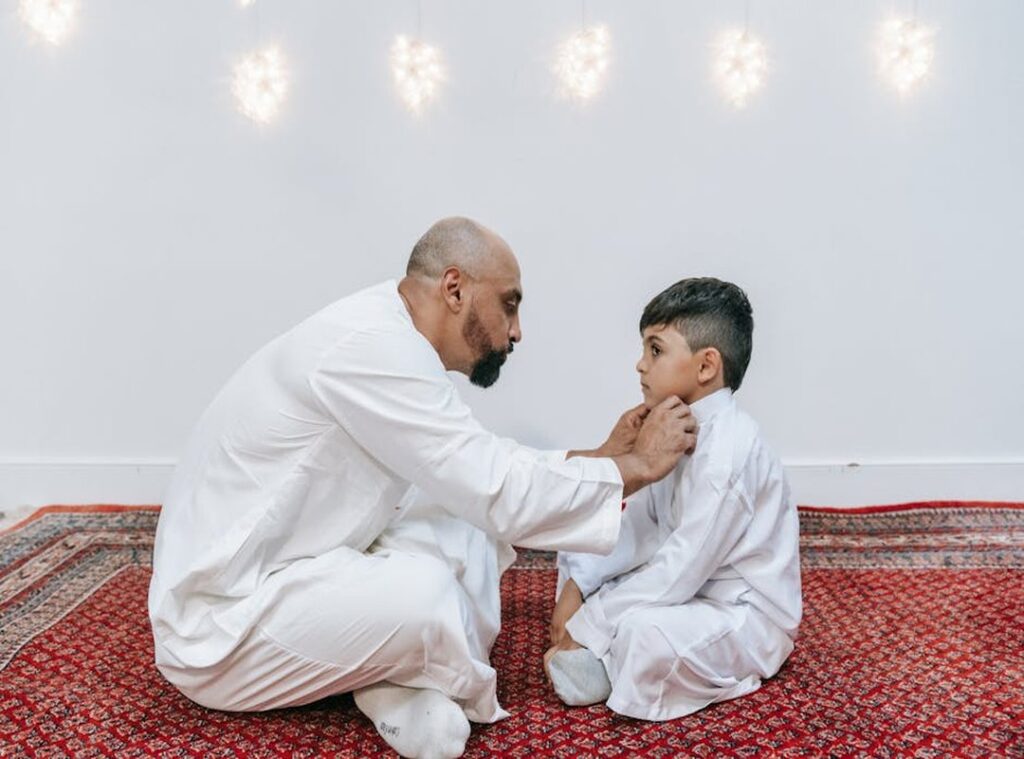
Feeling lost in a sea of parenting advice cultures? You’re not alone. Every day, parents are bombarded with competing opinions on how to raise confident kids.
It’s like trying to get through a tangled web of do’s and don’ts. But what if there’s a way to cut through the noise? I believe there is.
By looking beyond our borders, we can open up wisdom from different cultures. This isn’t about picking favorites, but about exploring what works globally. I’ve dug deep into time-tested practices from around the world.
Why? To help you break free from a single cultural script.
Imagine building a parenting style that’s flexible and informed by diverse perspectives. That’s the promise of this article. We’ll explore universal truths that transcend trends, offering tools to enrich your own parenting journey.
Does this sound like what you’ve been searching for?
The Japanese Way: Teaching Kids Independence Early
Ever notice how Japanese kids seem to roam free? It’s not just about letting them loose. It’s rooted in amae, a concept of deep, trusting dependency.
By fostering secure attachment, Japanese culture builds independence from a young age. You see kids running errands alone, jumping on the train to school, or taking charge of classroom duties. Crazy, right?
But it’s not chaos; it’s competence in action.
Contrast that with many Western norms where kids are under constant watch. Is this bad? Not necessarily, but it’s different.
The Japanese model focuses on building self-esteem through competence and community responsibility. It’s like giving them the keys to their own little worlds. They learn more, make decisions, and feel they matter.
Who doesn’t want that for their kids?
So what can we learn? Start small. Give your kid a ‘household jurisdiction’ (like managing the pet’s food bowl).
It sounds simple, but it’s empowering. Gradually, as they master each task, lay the groundwork for the next one. This is what educators call “scaffolding.” It ensures kids build skills step by step until they can do it all on their own (without the training wheels).
Want more quirky takeaways? Check out Quirky Ways Families Celebrate Milestones. Sometimes the little things we teach at home can make the biggest difference.
After all, parenting advice cultures aren’t just about rules; they’re about raising capable, confident human beings.
Scandinavian Resilience: Embracing ‘Friluftsliv’
Ever heard of friluftsliv? It’s a Nordic gem meaning “outdoor life.” And let’s face it, they’ve nailed it. There’s the saying, “There’s no such thing as bad weather, only bad clothing.” This philosophy is more than just words.
It’s a whole way of living.
In Scandinavia, this way of life translates directly into parenting. Picture this: babies napping outside in the cold. Sounds wild, but it’s normal there.
Kids spend heaps of time in nature, come rain or shine. Risky play? It’s encouraged.
Why wrap them in bubble wrap when they can learn real-world skills?
Research backs this up with some sweet benefits. Improved physical health. Better risk assessment skills.
Increased resilience. Plus, kids develop a deeper connection to nature. They’re not just surviving; they’re thriving.
The joy and freedom of this approach are palpable. Imagine kids running around, the wind in their hair. No screens, just the crunch of leaves underfoot.
It’s liberating. But what can we learn from this?
Let’s start small. A daily 15-minute weather walk can work wonders. Create an ‘adventure bag’ filled with snacks and tools (trust me, it’s a game-changer).
Reframe ‘bad’ weather as a chance for new fun. Rain doesn’t mean cancel the day; it means splash in puddles.
Want more on this? Dive into parenting advice cultures for takeaways. These tips aren’t just for the Nordics; they’re universal.
Let’s change how we view outdoor life. It’s not just a pastime; it’s a necessity.
The French System: Patience, Structure, and Food Culture
The French have this thing called le cadre. It’s all about structure but with freedom inside. Sounds pretty good, right?

Kids are expected to fit into this system, especially when it comes to food. They eat what adults eat. No separate meals.
Imagine the horror on a child’s face when they realize mac and cheese isn’t on the menu every night.
But there’s logic here. It teaches patience and exposes them to a world of flavors. They’re not grazing all day.
They have le goûter, a set snack time, which keeps them from turning into little snack monsters. Meals become peaceful, not a battle over who gets the last nugget.
This approach respects kids as capable individuals. They learn to wait and adapt. It’s not just about food.
It’s about treating them like they can handle it. And, spoiler alert, they usually can.
So, what can we pick up from this? Start by serving one family meal. Include one ‘safe’ food on the plate if you’re worried about a meltdown.
Set snack times. Involve your kids in cooking. They might even eat their veggies if they helped make them.
These are just some ways to create your own system. It’s fascinating how unique family traditions around world can shape parenting styles. Maybe it’s time we borrow a page from the French.
Maybe it’s time we all relax a bit at dinner. And who knows, maybe your kid will surprise you with their sophisticated palate.
Lessons from Kenya: The Alloparent Advantage
Ever heard of alloparenting? It’s a game-changer. In many Kenyan communities, non-parental caregivers step in to help raise children.
This isn’t some novelty; it’s a tried-and-true tradition that showcases the power of shared responsibility. Parenting advice cultures often overlook this gem. And why?
Because we’re so stuck on the idea that parents should do it all.
Imagine the relief. Instead of parents burning out, they share the load with others in their community. It’s a reality for many in Africa, and it works.
Kids benefit by learning from different adults. They soak up social skills like sponges and develop a flexible attachment style (one that makes them resilient and adaptable). They feel like they belong, with a network of trusted adults who’ve got their backs.
This isn’t just about the kids, though. Moms, in particular, get emotional and practical support (which, let’s face it, we could all use more of). It’s about wellness and balance, and ditching the superhero parent myth.
No capes needed here.
But what if you don’t live in a traditional village? Most of us don’t. That’s no excuse to miss out.
Form a parenting co-op with neighbors. Strengthen ties with extended family. Build a trusted friend network.
You’ve gotta be intentional, but it’s worth it.
, it’s about recognizing we’re stronger together. Isn’t that what we all want? A community that lifts us up and helps us thrive.
Crafting Your Own Parenting Path
Feeling stuck? I get it. Parenting is tough.
But here’s the thing: you don’t have to go it alone. By drawing inspiration from around the world, you can create a unique parenting style. Parenting advice cultures have so much to offer. Independence from Japan, resilience from Scandinavia, structure from France, and community from Kenya.
These are not just buzzwords. They’re tools.
You don’t need to copy a culture. Just take what fits. Your family’s values matter more than anything else.
Remember, it’s about being flexible, confident, and open.
What’s next? Simple. Pick one idea.
Try it this week. It’s the first step toward building a style that works for you. You might be surprised how empowering it feels.
Ready to start? Dive in now.
 Ask Anthony Coughlinazey how they got into curious collections and you'll probably get a longer answer than you expected. The short version: Anthony started doing it, got genuinely hooked, and at some point realized they had accumulated enough hard-won knowledge that it would be a waste not to share it. So they started writing.
What makes Anthony worth reading is that they skips the obvious stuff. Nobody needs another surface-level take on Curious Collections, Childcare Hacks for Busy Moms, Bolytex Gentle Parenting Deep Dives. What readers actually want is the nuance — the part that only becomes clear after you've made a few mistakes and figured out why. That's the territory Anthony operates in. The writing is direct, occasionally blunt, and always built around what's actually true rather than what sounds good in an article. They has little patience for filler, which means they's pieces tend to be denser with real information than the average post on the same subject.
Anthony doesn't write to impress anyone. They writes because they has things to say that they genuinely thinks people should hear. That motivation — basic as it sounds — produces something noticeably different from content written for clicks or word count. Readers pick up on it. The comments on Anthony's work tend to reflect that.
Ask Anthony Coughlinazey how they got into curious collections and you'll probably get a longer answer than you expected. The short version: Anthony started doing it, got genuinely hooked, and at some point realized they had accumulated enough hard-won knowledge that it would be a waste not to share it. So they started writing.
What makes Anthony worth reading is that they skips the obvious stuff. Nobody needs another surface-level take on Curious Collections, Childcare Hacks for Busy Moms, Bolytex Gentle Parenting Deep Dives. What readers actually want is the nuance — the part that only becomes clear after you've made a few mistakes and figured out why. That's the territory Anthony operates in. The writing is direct, occasionally blunt, and always built around what's actually true rather than what sounds good in an article. They has little patience for filler, which means they's pieces tend to be denser with real information than the average post on the same subject.
Anthony doesn't write to impress anyone. They writes because they has things to say that they genuinely thinks people should hear. That motivation — basic as it sounds — produces something noticeably different from content written for clicks or word count. Readers pick up on it. The comments on Anthony's work tend to reflect that.