

Latex is a natural rubber material that’s gained a lot of attention. It’s different from materials like PVC, vinyl, or leather. Latex has a unique set of properties that make it stand out.
One of the things people love about latex is its high-gloss shine. It also has a distinctive scent and a ‘second-skin’ feeling. These qualities make it really appealing to a lot of folks.
Latex has a rich history and cultural significance. It’s been around for a while and has made its way into high fashion, music, and alternative subcultures. You might have seen latex in some unexpected places.
Wearing latex is a sensory experience. The way it feels against the skin is a big part of why it’s so popular. Especially in adult-oriented content and fashion, the sensory aspect is a key driver.
There are different types of latex, like sheet latex and molded latex. Each type gives a different fit and appearance. Understanding these differences can help you choose the right one for your needs.
Your First Latex Piece: A Practical Shopping Guide
Diving into the world of latex can be exciting. But it’s also easy to feel overwhelmed.
Start with smaller, more manageable items like gloves, stockings, or a simple accessory. This way, you can get comfortable without feeling too out of your element.
Sizing is crucial. Latex fits snugly, so getting the right size is key. There’s a difference between standard sizes and made-to-measure options.
The latter will give you a perfect fit, but they can be pricier.
Latex thickness matters too. Common thicknesses are 0.25mm and 0.40mm. Thinner latex (0.25mm) is more stretchy and form-fitting.
It’s great for a second-skin look. Thicker latex (0.40mm) is more durable and less likely to tear. It gives a more structured, bold appearance.
| Thickness | Look & Feel | Durability |
|---|---|---|
| 0.25mm | Stretchy, form-fitting | Less durable, more prone to tearing |
| 0.40mm | Structured, bold | More durable, less likely to tear |
When shopping, look for quality indicators. Properly glued seams, reinforced stress points, and high-quality material are musts. These features ensure your latex piece lasts longer and looks better.
Finding reputable sellers is important. Stick to specialized online stores or custom makers. They usually have a good reputation and offer better quality.
(Just make sure to read reviews and ask around in coomer latex communities.)
Remember, the goal is to find something that makes you feel great. Take your time, do your research, and enjoy the process.
Safety First: Allergies, Dressing Aids, and Precautions
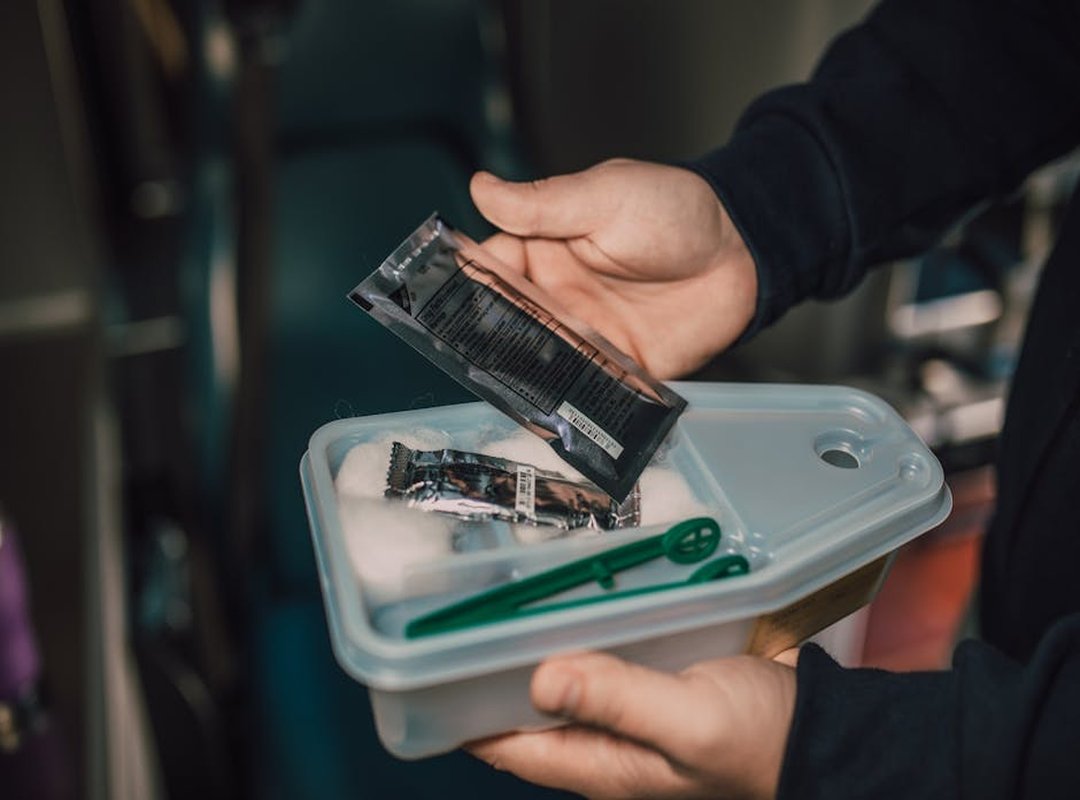
Latex allergies are a serious concern. Symptoms can range from mild itching to severe anaphylaxis. Patch testing is crucial before using any latex products.
Non-latex alternatives are available. They’re a must for those with allergies. Always check the label to ensure you’re getting a latex-free product.
Using a dressing aid is non-negotiable. It makes putting on latex much easier and reduces the risk of damage. Talcum powder is a common choice, but it can be messy and leave a residue.
Silicone-based lubricants are better. They provide a smooth, even application and don’t leave a mess. Plus, they won’t degrade the latex over time.
Avoid oil-based products like Vaseline or baby oil. These will permanently damage latex. Stick to silicone-based lube for the best results.
Be cautious of sharp fingernails, jewelry, and rough surfaces. These can cause rips and tears in your latex. Keep your nails short and remove any jewelry before handling latex.
Environmental factors matter too. Prolonged exposure to direct sunlight, heat, and certain metals like copper or brass can cause stains and damage. Store your latex in a cool, dark place.
coomer latex is a popular choice, but always follow these precautions to keep it in top condition. For more tips and high-quality latex products, visit Bolytexcrose.
The Secret to Longevity: How to Clean, Shine, and Store Your Latex
Taking care of latex is more than just a chore—it’s an art. Trust me, I’ve seen too many coomer latex outfits ruined by neglect.
First things first, clean your latex right after you use it. Wash the inside and out with warm water and a few drops of mild soap. Simple, right?
But you’d be surprised how many people skip this step.
Now, let’s talk drying. Gently pat the latex with a soft, lint-free towel. Then, hang it to air dry completely.
Keep it away from heat and sunlight. This part is crucial. Heat can warp and damage the material, and no one wants that.
Once it’s dry, you have two options. You can lightly dust it with talc for storage, or apply a silicone polish for a high-gloss shine. Both are good, but I prefer the polish.
It gives that extra oomph.
For storage, keep your latex in a cool, dark place. A closet works well. Use an opaque garment bag to protect it from light.
And make sure to separate it from other clothing. Latex can stick to other fabrics, and that’s a mess you don’t want to deal with.
Some common mistakes? Improper cleaning, folding instead of hanging, and storing it while damp. These little errors can lead to big problems.
So, take the time to do it right. Your latex will thank you.
Your Next Steps
Start by exploring the basics of coomer latex. This unique material offers a blend of flexibility and durability. Experiment with different designs to see what works best for your projects.
 Vynric Velmyre has opinions about childcare hacks for busy moms. Informed ones, backed by real experience — but opinions nonetheless, and they doesn't try to disguise them as neutral observation. They thinks a lot of what gets written about Childcare Hacks for Busy Moms, Fresh Insights, Curious Collections is either too cautious to be useful or too confident to be credible, and they's work tends to sit deliberately in the space between those two failure modes.
Reading Vynric's pieces, you get the sense of someone who has thought about this stuff seriously and arrived at actual conclusions — not just collected a range of perspectives and declined to pick one. That can be uncomfortable when they lands on something you disagree with. It's also why the writing is worth engaging with. Vynric isn't interested in telling people what they want to hear. They is interested in telling them what they actually thinks, with enough reasoning behind it that you can push back if you want to. That kind of intellectual honesty is rarer than it should be.
What Vynric is best at is the moment when a familiar topic reveals something unexpected — when the conventional wisdom turns out to be slightly off, or when a small shift in framing changes everything. They finds those moments consistently, which is why they's work tends to generate real discussion rather than just passive agreement.
Vynric Velmyre has opinions about childcare hacks for busy moms. Informed ones, backed by real experience — but opinions nonetheless, and they doesn't try to disguise them as neutral observation. They thinks a lot of what gets written about Childcare Hacks for Busy Moms, Fresh Insights, Curious Collections is either too cautious to be useful or too confident to be credible, and they's work tends to sit deliberately in the space between those two failure modes.
Reading Vynric's pieces, you get the sense of someone who has thought about this stuff seriously and arrived at actual conclusions — not just collected a range of perspectives and declined to pick one. That can be uncomfortable when they lands on something you disagree with. It's also why the writing is worth engaging with. Vynric isn't interested in telling people what they want to hear. They is interested in telling them what they actually thinks, with enough reasoning behind it that you can push back if you want to. That kind of intellectual honesty is rarer than it should be.
What Vynric is best at is the moment when a familiar topic reveals something unexpected — when the conventional wisdom turns out to be slightly off, or when a small shift in framing changes everything. They finds those moments consistently, which is why they's work tends to generate real discussion rather than just passive agreement.