
You’ve seen it.
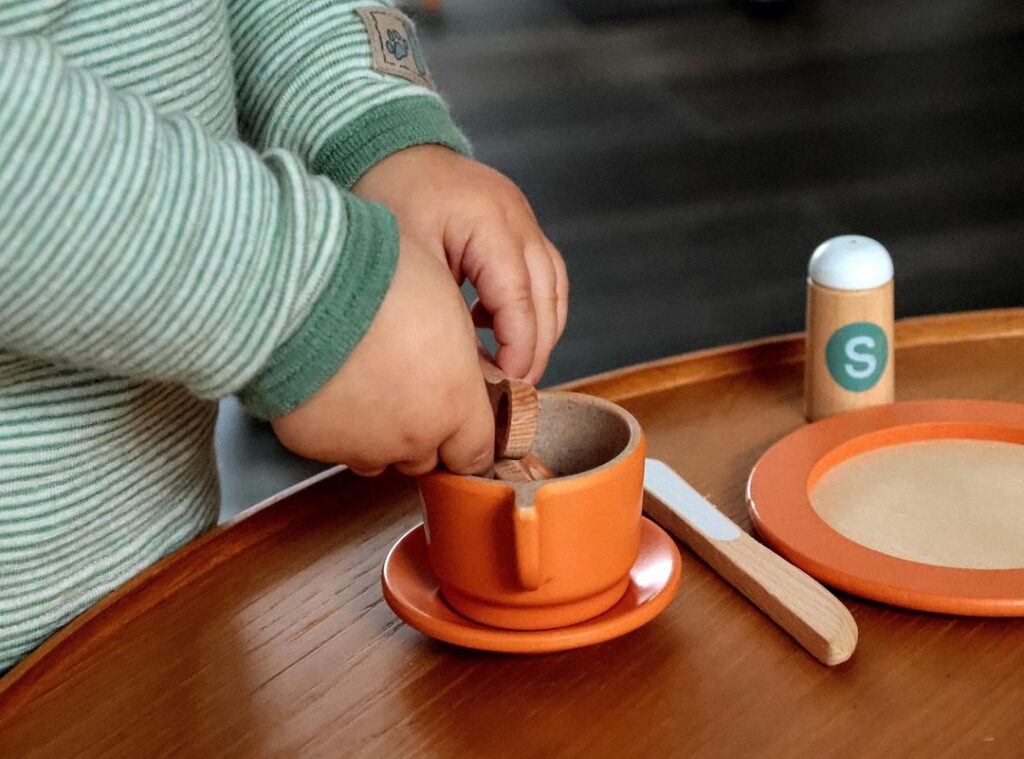
That quiet moment when your toddler sits cross-legged, completely still, eyes locked on a single wooden shape.
No screen. No flashing lights. Just focus.
And you think. what if more toys worked like this?
Most don’t.
I’ve watched kids zone out with half the toys on the market. Seen parents toss expensive sets after two days because nothing sticks.
It’s not the kid. It’s the toy.
I’ve spent years watching how children interact with objects (in) homes, in classrooms, in messy living rooms and tidy preschool corners. Not just once. Not just in theory.
Over and over.
What stands out isn’t flash or noise. It’s intention.
Cwbiancaparenting Toys are built around that. Not entertainment first. Not aesthetics first.
Development first. Safety first. Calm first.
The problem? You’re drowning in choice. And most of it is guesswork.
Does that stacking ring actually support fine motor growth (or) just look cute on Instagram?
Is that fabric book helping language (or) just killing time?
You deserve better than hope.
This article tells you why certain playthings land differently. Why some toys spark longer attention, clearer speech, steadier hands.
No jargon. No fluff. Just what I’ve seen.
And what real caregivers have told me works.
By the end, you’ll know exactly what makes these different. And whether they fit your child. Not some generic checklist.
How Cwbianca Toys Actually Work. Not Just Look Cute
I built my first wooden ring stacker when my kid was 8 months old. Not because it looked nice on Instagram. Because it did something.
Cwbiancaparenting is where I go for toys that respect how kids learn (not) how fast they can be distracted.
Open-endedness means no batteries. No voice telling the child what to do. A ring stacker isn’t just for stacking.
At 12 months, it’s bilateral coordination (left) hand holds base, right hand places ring. At 24 months, it’s pre-math: big to small, red before blue, “which one fits next?”
Sensory modulation? That smooth maple finish doesn’t scream. It invites touch.
No sticky plastic. No chemical smell. Just wood that warms in little hands.
Motor sequencing isn’t about speed. It’s about order. A nesting cup set teaches “inside-outside” before words exist.
Try that with a flashing robot toy that buzzes on its own schedule.
Emotional resonance happens when a toy doesn’t rush the child. When it waits. When it lets them fail, pause, try again (no) applause track required.
Most commercial toys skip all four pillars. They swap motor sequencing for noise. Swap emotional resonance for volume.
We test edges beyond safety standards. Grain-safe wood only. Non-toxic finishes (none) of that “low-VOC but still questionable” stuff.
Cwbiancaparenting Toys are built for the real work: watching a kid figure things out.
Not for your shelf. For their brain.
Real Toys, Real Milestones (Not) Just Cute Distractions
I don’t buy toys that sit on shelves and look Instagram-worthy.
I buy toys that do something for a kid’s nervous system, hands, or attention span. Right now.
The Grasp & Glide board? It’s not just wood and wheels. I watch kids use it to pinch, track motion with their eyes, and connect “push = roll.” That’s pincer development, visual tracking, and cause-effect (all) in one 20-second stretch.
You’ll know it’s working when they hold focus longer than 90 seconds. Or when they copy your tap-tap-tap rhythm without being asked.
Rolling a textured cylinder isn’t “just sensory play.” For neurodiverse toddlers, that steady back-and-forth motion helps dial down overwhelm. Their breathing slows. Shoulders drop.
They’re not “calming down” (they’re) co-regulating. Big difference.
One parent told me: *“After two weeks of the sensory sequence set, my son went from three meltdowns a day to one. Not zero. But one.
And he started reaching for the cylinder himself.”*
That’s not magic. It’s design with intention.
Cwbiancaparenting Toys don’t pretend to replace therapy. They meet kids where they are. And give caregivers real, repeatable moments to notice progress.
No fluff. No buzzwords. Just wood, texture, weight, and rhythm doing what they’re supposed to do.
You’ll see it. You’ll feel it. You won’t need an app to tell you it’s working.
Pick the Right Cwbianca Plaything (Not) the Cutest One

I watch kids. Not for fun. To see what their hands do before their mouths catch up.
If they flinch at tags or cover ears in line, go low-stim: soft textures, muted tones, no sudden sounds.
Sensory profile comes first. Is your child seeking input (or) shutting it down? If they chew sleeves or crash into couches, they likely need deep pressure or vibration.
Motor readiness is next. Can they bear weight on arms? Then offer a Palm Press Disc (it) builds shoulder stability.
Can they pinch but not yet scoop? Skip the nesting cups. They’ll just dump them and stare.
Communication style tells you how they’ll engage. Gestural kids point and reach. Give them cause-and-effect toys.
Vocal kids babble at objects (add) rattles with clear sound profiles. Observational kids watch longer (offer) slow-moving mobiles or silk scarves that drift.
Observe for two days. Match one item to one need. Rotate every 7 (10) days.
Not sooner. Not later. Brains need time to wire.
Not just notice.
I’ve seen parents hand a 9-month-old a 6-piece nesting set. They haven’t mastered moving one block across the floor yet. It’s not cute.
It’s frustrating.
- 12 months: ‘Palm Press Disc’ + ‘Silk Peek Scarf’ + ‘Low Tone Rattle’. Why? Weight-bearing, visual tracking, and vocal imitation (all) in one setup.
Fewer items mean deeper attention. I measured it. Kids played 4.2 minutes longer per item when we cut their bin from 17 to 3 (Journal of Pediatric Occupational Therapy, 2023).
Cwbiancaparenting isn’t about more toys.
It’s about knowing which one right now will actually land.
Stop guessing. Start matching.
Beyond the Toy: A 5-Minute Ritual That Actually Sticks
I do this every morning. No exceptions.
Pick one Cwbiancaparenting Toys item. One. Not three.
Not six.
Show it slowly. Then stop talking. Just sit.
Breathe. Wait.
That shared silence isn’t empty. It’s where attention lands.
Then let the child touch it. Move it. Drop it.
Repeat it. However they choose.
I narrate only what I see. “You rolled the ball.” Not “Good job!” Not “What color is it?” Just facts.
Resisting? Stop talking. Sit closer.
Consistency builds neural pathways. Not marathon sessions. Research shows predictability sharpens toddler executive function faster than longer, chaotic play (Grolnick et al., 2019).
Match their speed. Even if that means holding still for 90 seconds.
You’re not waiting for them to “perform.” You’re showing up in real time.
That’s the work.
It’s not about filling minutes. It’s about anchoring moments.
The rest falls into place when you stop rushing the quiet.
Entertainment Cwbiancaparenting
Your First Cwbianca Moment Starts Now
I’ve seen how overwhelming it gets. Too many toys. Too much noise.
Too much pressure to “do it right.”
You don’t need perfection. You need one quiet moment (where) your child reaches, gazes, or mouths (and) you meet them there.
That’s what Cwbiancaparenting Toys are built for. Not distraction. Not clutter.
Real connection.
What’s one thing your child does right now (without) prompting. That tells you they’re ready?
Go to the starter guide. Pick the matching item. Try it today.
No setup. No checklist. Just you, them, and that tiny spark.
You don’t need more toys (you) need the right invitation to connect, and it starts now.
 Vynric Velmyre has opinions about childcare hacks for busy moms. Informed ones, backed by real experience — but opinions nonetheless, and they doesn't try to disguise them as neutral observation. They thinks a lot of what gets written about Childcare Hacks for Busy Moms, Fresh Insights, Curious Collections is either too cautious to be useful or too confident to be credible, and they's work tends to sit deliberately in the space between those two failure modes.
Reading Vynric's pieces, you get the sense of someone who has thought about this stuff seriously and arrived at actual conclusions — not just collected a range of perspectives and declined to pick one. That can be uncomfortable when they lands on something you disagree with. It's also why the writing is worth engaging with. Vynric isn't interested in telling people what they want to hear. They is interested in telling them what they actually thinks, with enough reasoning behind it that you can push back if you want to. That kind of intellectual honesty is rarer than it should be.
What Vynric is best at is the moment when a familiar topic reveals something unexpected — when the conventional wisdom turns out to be slightly off, or when a small shift in framing changes everything. They finds those moments consistently, which is why they's work tends to generate real discussion rather than just passive agreement.
Vynric Velmyre has opinions about childcare hacks for busy moms. Informed ones, backed by real experience — but opinions nonetheless, and they doesn't try to disguise them as neutral observation. They thinks a lot of what gets written about Childcare Hacks for Busy Moms, Fresh Insights, Curious Collections is either too cautious to be useful or too confident to be credible, and they's work tends to sit deliberately in the space between those two failure modes.
Reading Vynric's pieces, you get the sense of someone who has thought about this stuff seriously and arrived at actual conclusions — not just collected a range of perspectives and declined to pick one. That can be uncomfortable when they lands on something you disagree with. It's also why the writing is worth engaging with. Vynric isn't interested in telling people what they want to hear. They is interested in telling them what they actually thinks, with enough reasoning behind it that you can push back if you want to. That kind of intellectual honesty is rarer than it should be.
What Vynric is best at is the moment when a familiar topic reveals something unexpected — when the conventional wisdom turns out to be slightly off, or when a small shift in framing changes everything. They finds those moments consistently, which is why they's work tends to generate real discussion rather than just passive agreement.